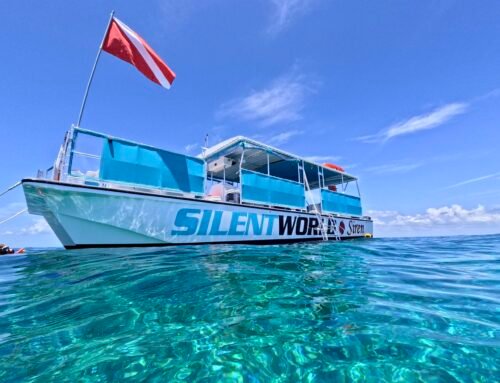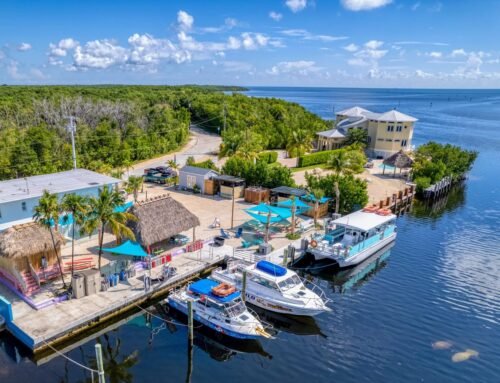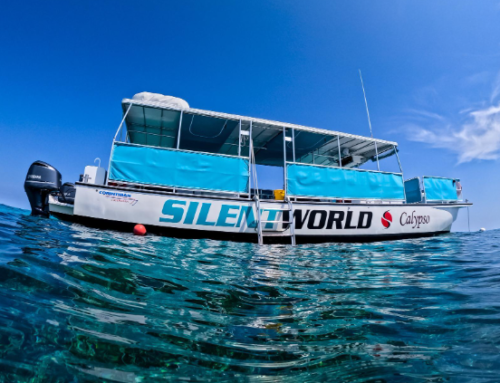
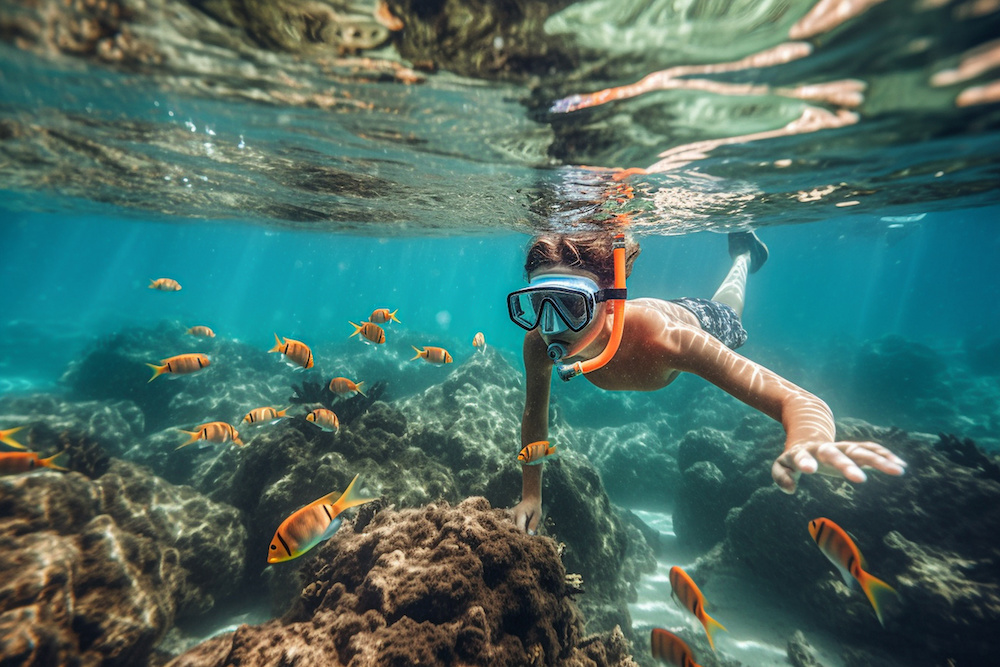
The Florida Keys are home to the only living coral barrier reef in the continental United States, and beneath the surface, the reef feels fully alive! Sea fans sway in the current, schools of fish flash through the sunlight, and nearly every snorkel stop brings the chance to spot something unexpected drifting out of the blue.
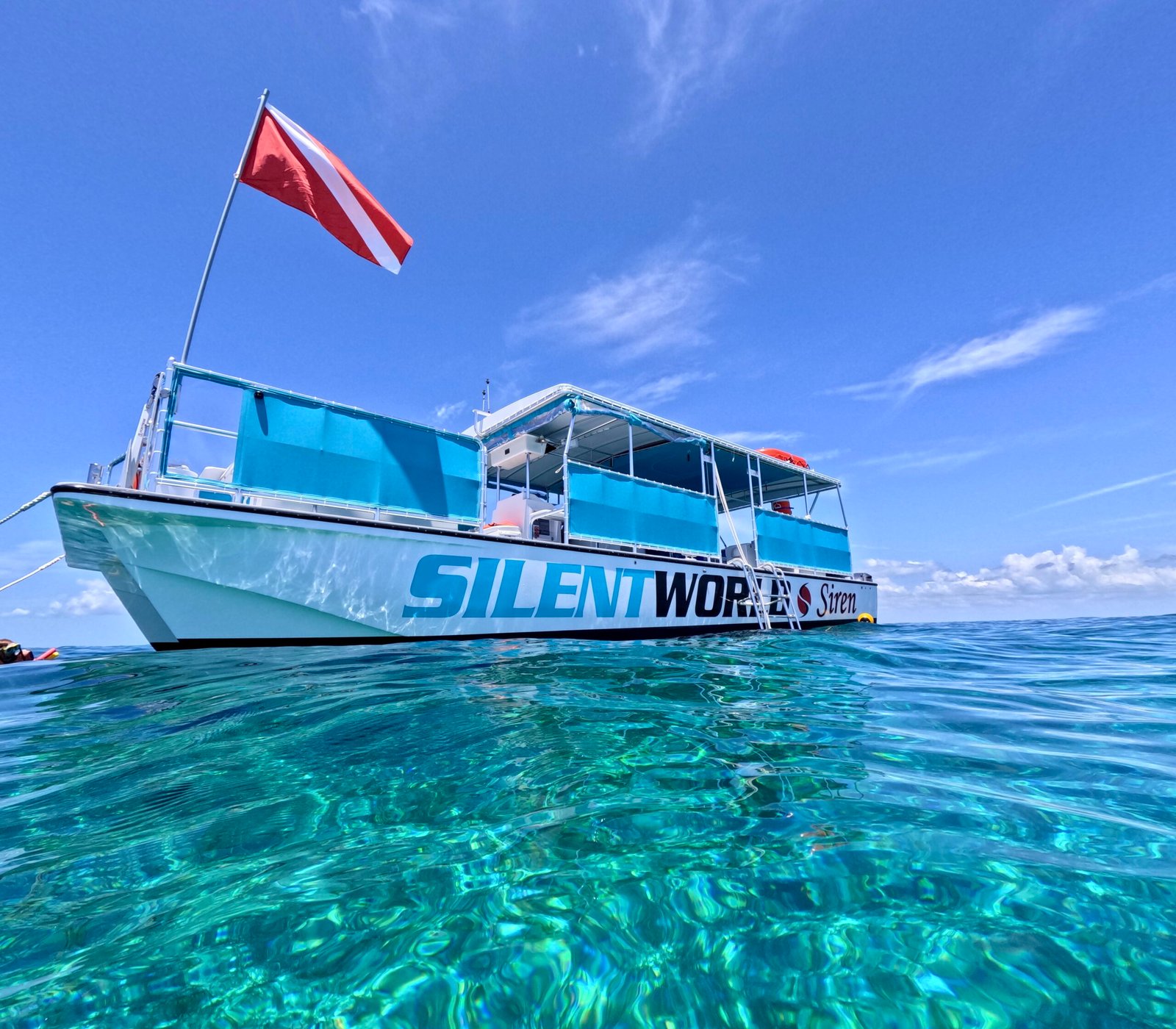
One of the biggest advantages of The Pennekamp Safari snorkel trip is variety. Visiting three different reef locations in a single outing means exploring multiple underwater habitats instead of staying at one site the entire day. That dramatically increases your chances of seeing different marine animals throughout the trip.
If you’ve been wondering what animals you’ll see snorkeling in Key Largo, these are some of the most common and unforgettable encounters on the Florida Barrier Reef.
1. Sea Turtles
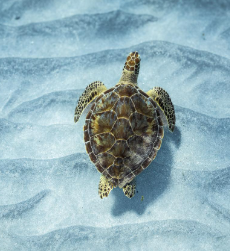
Green sea turtles and loggerhead turtles are both common in the Florida Keys, especially around healthy coral systems and seagrass areas. They often appear quietly, almost out of nowhere, moving through the water with calm confidence.
Most turtles ignore snorkelers completely and continue cruising along the reef edge while feeding or surfacing for air.
Because The Pennekamp Safari covers multiple locations, guests have better odds of encountering turtles during the day rather than relying on a single reef stop.
2. Spotted Eagle Rays
Seeing a spotted eagle ray while snorkeling feels a little unreal the first time it happens.
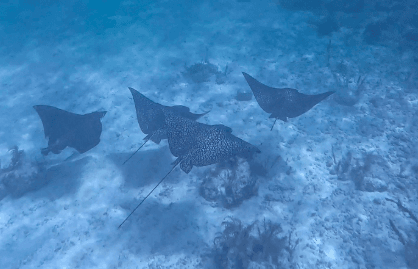
These large rays can span several feet across and move through the water with slow, wing-like motions. Their white spots stand out against the deep blue background, making them one of the most striking animals on the reef.
Eagle rays are often spotted cruising over sandy channels near coral formations or deeper reef edges. During certain times of year, snorkelers may even see small groups traveling together.
They rarely stay still, so every sighting feels brief and special. Blink too long and they disappear back into the blue like underwater stealth bombers.
3. Parrotfish
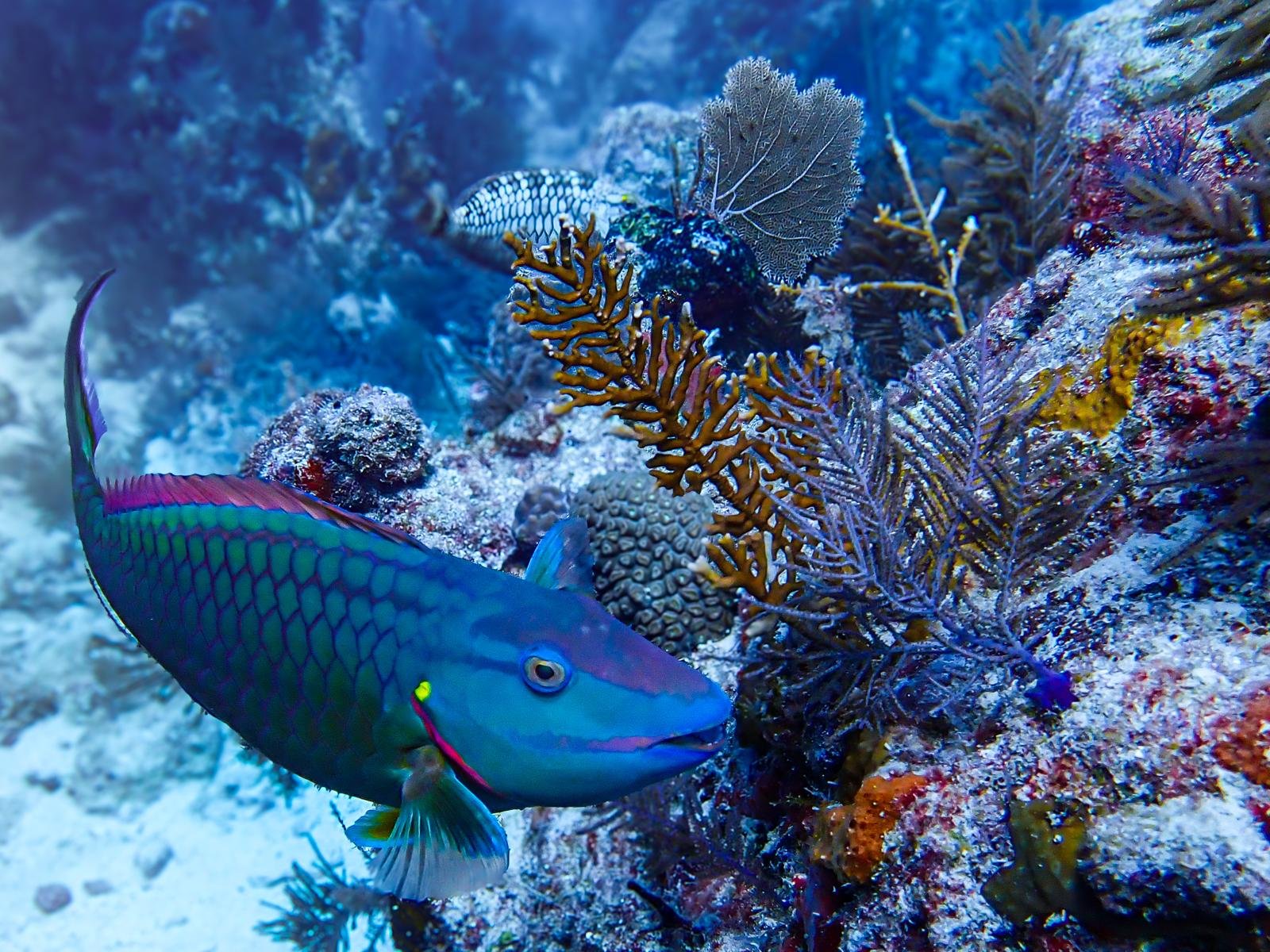
Parrotfish are everywhere on healthy reefs, and once you notice them, you’ll start seeing them constantly!
Their bright colors make them hard to miss. Some are electric blue and green, while others blend orange, pink, yellow, and turquoise together like tropical paint samples that got completely out of hand.
Parrotfish also play a huge role in reef health. They use strong beak-like mouths to scrape algae from coral surfaces, helping keep the ecosystem balanced.
And yes, the sand in the Keys owes a surprising amount of its existence to parrotfish digestion. Nature remains undefeated in weirdness.
4. Southern Stingrays
Southern stingrays are one of the most graceful animals you’ll encounter snorkeling in Key Largo.
Unlike eagle rays, stingrays are usually found resting on sandy bottoms near reef structures or slowly moving across open patches between corals. Their bodies blend so naturally into the seafloor that spotting one can feel like suddenly noticing the sand itself start moving.
Most stingrays want nothing to do with people and calmly swim away once they notice snorkelers nearby.
They’re especially common at mixed reef-and-sand habitats, which is another reason multi-stop snorkel trips tend to produce more wildlife sightings overall.
5. Barracuda
Barracuda have an unfair reputation thanks to movies and fishing stories.
In reality, great barracuda are typically calm, curious, and surprisingly motionless. They often hover near reefs almost perfectly still, reflecting sunlight like floating chrome.
Their long bodies and sharp teeth definitely grab attention, though.
You’ll usually find them hanging near reef drop-offs, wreck structures, or schools of baitfish. Larger barracuda are often solitary and seem completely unbothered by snorkelers drifting nearby.
Seeing one for the first time tends to produce the same reaction from almost everyone:
“Cool!”
Followed immediately by:
“Okay wow those teeth are bigger than I expected!”
Why Multi-Stop Snorkel Trips See More Marine Life
Different reef environments attract different animals.
Shallow coral gardens may be packed with tropical fish and turtles, while deeper reef ledges attract rays and barracuda. Sandy channels between reef systems often become feeding areas for stingrays and cruising predators.
That’s why The Pennekamp Safari stands out.
Instead of spending the entire day at one snorkel site, Safari-style tours visit three separate reef locations in a single trip! More habitats mean more opportunities for wildlife encounters and a much broader look at the Florida Keys marine ecosystem.
For active snorkelers, it’s one of the best ways to experience the full range of Florida Keys marine life in just a few hours.
Final Thoughts
The Florida Barrier Reef is far more than coral and clear water. It’s a constantly moving underwater world filled with wildlife, color, and surprises around nearly every reef corner.
Some days you’ll see turtles at every stop. Other days the rays steal the show. And sometimes a giant barracuda appears out of nowhere and suddenly everyone in the water forgets how to blink.
That unpredictability is part of what keeps snorkeling in Key Largo so memorable.
Every reef tells a slightly different story. The more reef you cover, the more chances you have to see something incredible. 🌊