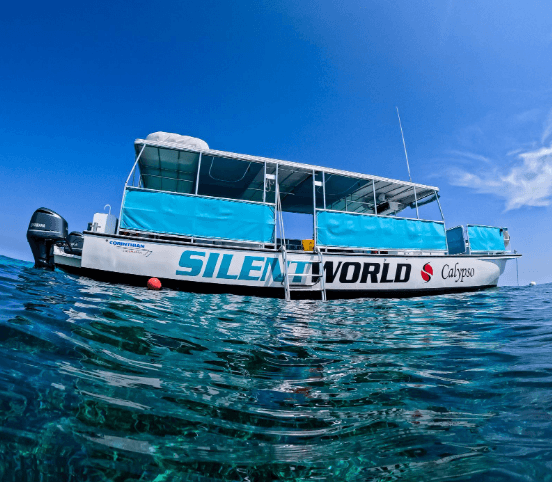
If your goal is seeing as much marine life as possible in the Florida Keys, the best snorkel tours usually have one thing in common:
They move. Fast.
The truth is, wildlife sightings in the Florida Keys aren’t completely predictable. Sea turtles don’t stay parked in one reef corner waiting for tourists. Rays glide across huge sandy flats. Nurse sharks cruise quietly through channels and reef edges before disappearing back into the blue.
That’s why the best snorkel tour for wildlife in the Florida Keys isn’t necessarily the longest trip or the cheapest ticket.
It’s the tour that covers the most productive water.
And for active snorkelers, that’s exactly where the Safari-style approach stands out.
Why Multi-Site Snorkeling Increases Wildlife Encounters
Many traditional snorkel trips visit one or two reef locations and stay there for most of the excursion. Which is great for relaxing…
But if your priority is wildlife spotting, staying in a single location limits your chances dramatically.
Different marine animals prefer different environments:
- Sea turtles often cruise seagrass edges and reef transitions
- Southern stingrays patrol sandy bottom areas
- Nurse sharks rest beneath ledges and reef cuts
- Schools of fish gather around coral formations and wreck structures
The more environments you explore in one trip, the more opportunities you create for wildlife encounters.
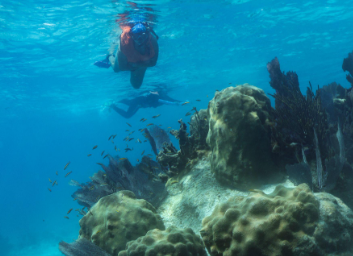
The Safari Approach: Cover More Water, See More Wildlife
The Pennekamp Safari style of snorkeling is built around movement and variety.
Instead of spending half the trip anchored in one crowded location, The Safari trip focuses on hitting multiple high-quality sites efficiently. The pace keeps the day exciting while maximizing time in wildlife-rich areas throughout the Florida Keys Marine Sanctuary.
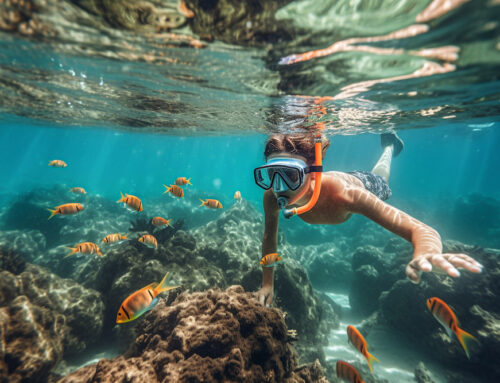
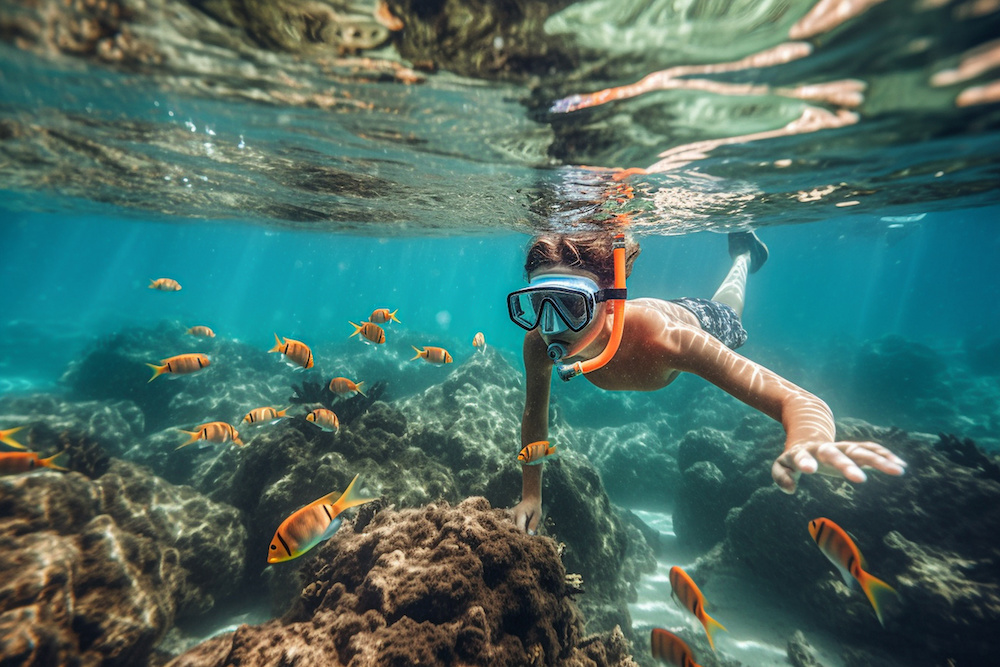
One stop might feature coral ridges packed with tropical fish.
The next could bring sea turtles gliding through shallow blue water.
Then suddenly someone spots a nurse shark moving beneath the reef edge and the entire group pivots toward the excitement like a flock of seabirds.
Every site changes the energy. That unpredictability is part of what makes wildlife-focused snorkeling so addictive.
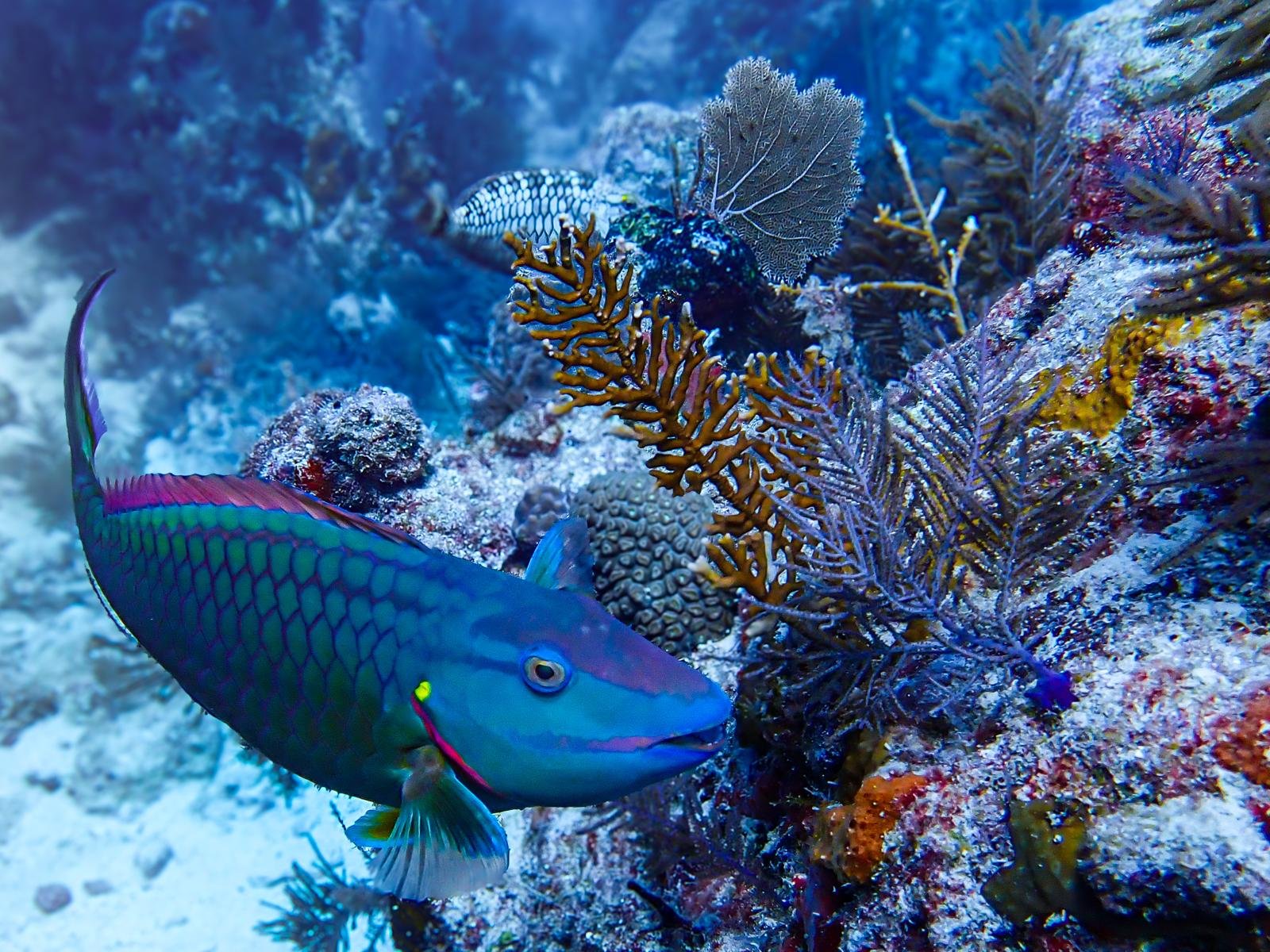
What Wildlife Can You Actually See?
Conditions change daily, but wildlife sightings on active multi-stop trips often include:
- Sea Turtles
- Southern Stingrays
- Eagle Rays
- Nurse Sharks
- Barracuda
- Parrotfish
- Angelfish
- Sergeant Majors
And because Safari-style trips move between several reef systems, you’re not relying on a single patch reef to deliver the entire experience.
More Water Time Means Better Wildlife Chances
There’s another reason active snorkel trips perform better for wildlife viewing:
People spend more time actually snorkeling!
Large crowded boats often lose valuable time organizing guests, managing oversized groups, and waiting for slow water entries.
Safari-style trips are designed for efficiency and movement. Faster transitions between sites mean more face-in-the-water time where wildlife encounters actually happen.
Because nobody spots a sea turtle sitting on the boat eating crackers under the canopy.
Is the Safari Tour Right for Everyone?
Not necessarily.
If you want a slow, relaxed day with minimal movement and long breaks between swims, our 2-site snorkel tours may be better.
But for travelers who:
- enjoy active snorkeling
- want multiple reef experiences in one outing
- prefer adventure over lounging
- want the best odds of spotting wildlife
…the Safari approach delivers a completely different level of excitement.
The Best Wildlife Memories Usually Happen Unexpectedly
The magic of snorkeling in the Florida Keys is that the ocean never fully repeats itself.
One day you’re floating over coral formations watching schools of yellowtail snapper swirl beneath you.
The next, a sea turtle appears silently out of the blue water and glides past close enough to hear your heartbeat inside your snorkel mask.
Those are the moments people remember long after vacation ends.
And the more water you cover, the more likely you are to find them. 🌊