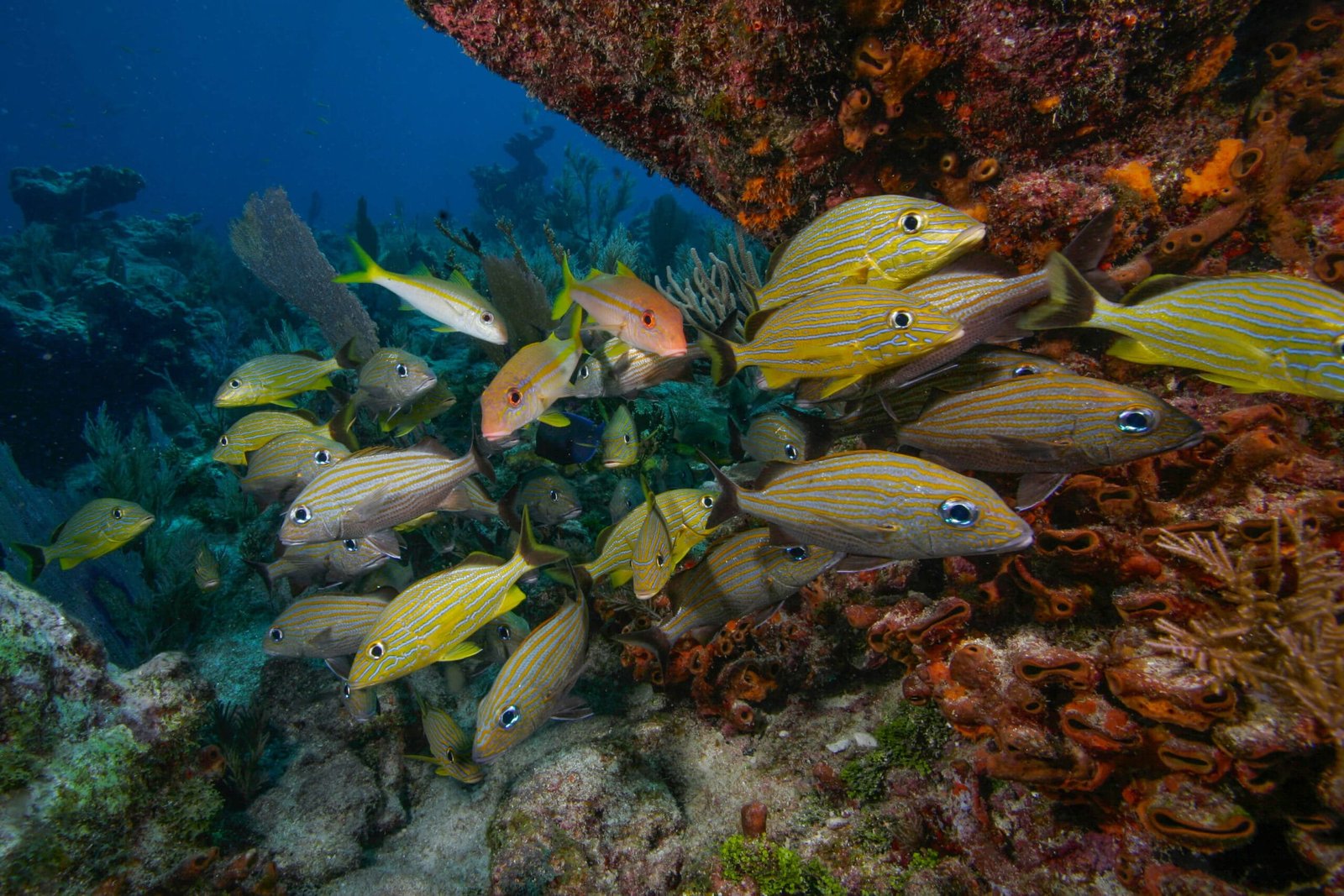
When travelers plan a safari, they dream of seeing the “Big 5.” In Key Largo, the “Dive Capital of the World,” our own safari happens underwater! The Florida Keys National Marine Sanctuary is a kaleidoscope of color and life, but certain iconic species capture the imagination and serve as the ultimate checklist for snorkelers and divers alike.
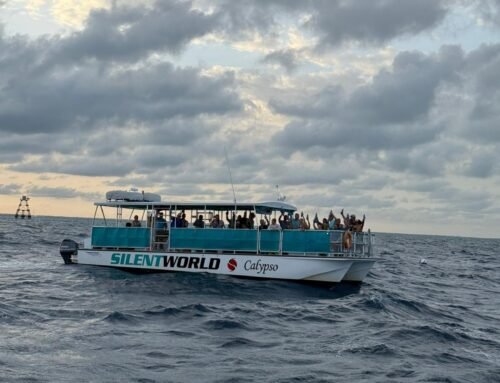
At Silent World Dive Center, Key Largo’s #1 rated dive shop since 1989, our crew spends every day guiding guests through this vibrant ecosystem. We know exactly which creatures draw the biggest gasps and the widest smiles.
Here is our official list of the “Big 5” of the Keys Reefs—the must-see marine life you can expect to encounter while snorkeling the stunning coral gardens of John Pennekamp Coral Reef State Park aboard our small-group vessels.
1. The Regal Resident: The Queen Angelfish

The Queen Angelfish () is the undisputed royalty of the Keys reefs. Its dazzling colors and elegant swimming style make it an instant favorite and an easy spot for snorkelers.
Why It’s the King (or Queen) of the Reef
- Color Palette: These fish sport an astonishing array of bright, electric colors—deep blue bodies, fluorescent yellow tails, and bright blue streaks outlining their fins. They are impossible to miss against the muted tones of the coral.
- The Crown: Their namesake feature is a bold, dark-blue spot with a brilliant electric-blue ring on their forehead, resembling a majestic crown.
- Juvenile Transformation: Snorkelers who spot a juvenile Queen Angelfish are in for a treat. The young fish are nearly black with brilliant vertical stripes of bright blue and yellow. These “Cleaner Fish” are often seen setting up tiny cleaning stations where larger fish queue up to have parasites removed. This is a crucial ecological role that highlights the interconnectedness of the reef.
Where to Find Them
Angelfish prefer shallow, healthy reef areas where they can graze on sponges—their favorite food. Look for them hovering near large coral heads at sites like Grecian Reef or Horseshoe Reef. Their slow, deliberate movements make them perfect subjects for underwater photography.
2. The Gentle Grazer: The Green Sea Turtle

Few encounters are more moving or memorable than swimming alongside a sea turtle. While five species of sea turtles inhabit the waters of the Keys, the Green Sea Turtle () is one of the most common and captivating sights for snorkelers.
The Turtle Traveler
- Size and Majesty: Adult Green Sea Turtles can grow to over three feet in length and weigh hundreds of pounds. Despite their size, they move through the water with an effortless, breathtaking grace.
- Diet: The “Green” in their name comes not from their shell color, but from the color of the fat underneath their shell, which is derived from their diet of seagrass and algae (they are primarily herbivores as adults).
- Breathing Behavior: Since turtles breathe air, snorkelers have the unique opportunity to watch them ascend slowly to the surface for a breath before returning to graze on the seagrass beds near the reefs. This makes for excellent viewing time.
Where to Find Them
Turtles are often found resting under ledges or feeding in the shallow seagrass beds adjacent to the coral reefs. If you spot one, maintain a respectful distance (at least 15 feet), avoid chasing it, and simply enjoy the privilege of sharing their underwater world. Our PADI-certified crew always emphasizes proper reef etiquette to protect these vulnerable species. Look for Preston at Horseshoe reef or His cousin Easton At North North Dry rocks
3. The Reef Regulator: The Rainbow Parrotfish

If the Angelfish is royalty, the Rainbow Parrotfish () is the reef’s hardworking gardener. They are absolutely essential to the health of the entire ecosystem, and they provide a constant, comical form of entertainment.
The Fish with a Job
- The Beak: Parrotfish are named for their fused teeth, which form a strong, parrot-like beak. They use this beak to scrape algae off dead coral and rocks.
- The Color Show: The males of the species are a brilliant palette of blues, greens, yellows, and oranges—a true spectacle of nature.
- Coral Sand Factories: When a Parrotfish bites off a piece of algae-covered coral, it digests the organic matter and excretes the leftover calcium carbonate as fine, white sand. It’s estimated that a single Parrotfish can produce close to 1000 pounds of sand per year! Much of the beautiful white sand on the Keys’ beaches passed through a Parrotfish at some point.
Where to Find Them
Parrotfish are active and numerous at almost every healthy reef site. You can easily hear them underwater—the constant crunch-crunch-crunch as they bite the coral is the sound of the reef ecosystem being cleaned and maintained. Look for them in large, colorful schools, especially at shallower sites perfect for snorkeling.
4. The Silent Sentinel: The Great Barracuda

Often misunderstood and unfairly feared, the Great Barracuda () is an absolute thrill to observe and a critical apex predator of the Key Largo reefs.
The Ocean’s Silver Bullet
- Appearance: Barracuda are instantly recognizable: long, torpedo-shaped, covered in silver scales, and featuring an impressive set of sharp, prominent teeth.
- Behavior: They are naturally curious and often remain motionless in the water, relying on their camouflage and speed. This stationary curiosity is what sometimes leads snorkelers to think they are being stalked. In reality, they are simply observing their surroundings and view snorkelers as large, harmless distractions.
- Speed: Barracuda are built for speed, capable of short bursts up to . They are essential for controlling the populations of smaller reef fish.
- During Baracuda mating season in winter, ” Batteries ” or groups of barracudas can be found large groups
Safety Note
Barracuda attacks on humans are incredibly rare and almost always mistaken identity, usually occurring when the fish mistakes a shiny object (like a watch, bracelet, or camera equipment) for a prey fish. As a safety precaution, we always recommend leaving excessive jewelry or bright, shiny objects back on the boat. If you see one, enjoy the view—they are perfectly happy to leave you alone.
5. The Living Dinosaur: The Goliath Grouper

While not as common as the smaller reef fish, sighting a Goliath Grouper () is the true “trophy” of any Key Largo dive or snorkel trip. These gentle giants embody the sheer scale and longevity of the ocean.
Unbelievable Size
- Scale: The Goliath Grouper is the largest species of bony fish found in the Atlantic. They can reach lengths of over eight feet and weigh up to 800 pounds, though the ones typically found in the shallow snorkeling reefs in John Pennekamp are often around 400 pounds.
- Sound: When startled or curious, these fish produce a deep grunt , resonating “boom” sound by flexing muscles against their swim bladder. This sound can be felt as much as heard, creating an unforgettable moment underwater.
- Protection Status: Due to historic overfishing, the Goliath Grouper is a protected species in Florida waters, making every sighting a sign of the recovery and health of the Keys ecosystem.
Where to Find Them
Goliath Groupers are less active than other fish and prefer to hide in or around large structures. While lucky snorkelers can spot smaller juveniles on the inner reefs, the best places to look are for the resident at the Key Largo dry rocks. Larger specimen are common on the deeper ledges of the barrier reefs. Their size alone is enough to leave even the most seasoned traveler speechless.
Beyond the Big 5: The Extras
While these five are the stars, your Key Largo snorkel trip will be filled with hundreds of other creatures that add color and wonder:
- The French Angelfish (Black with yellow trim).
- Schools of Yellowtail Snapper (Great for photography).
- Spotted Eagle Rays (Often seen gliding gracefully near the surface).
- Nurse Sharks (Harmless, docile sharks often found resting under coral ledges).
- The Coral Itself: Don’t forget the magnificent structures of Brain Coral, Star Coral, and Elkhorn Coral, which serve as the foundation of this incredible underwater city.
Plan Your Snorkeling Safari with the Experts
Ready to create your own “Big 5” checklist?
Your journey into the Florida Keys National Marine Sanctuary begins with the commitment to safety, expertise, and conservation that only Silent World Dive Center can provide. Our PADI-certified crew is trained not only in safety but also in marine life identification, ensuring they can help you spot every unique creature the reef has to offer.
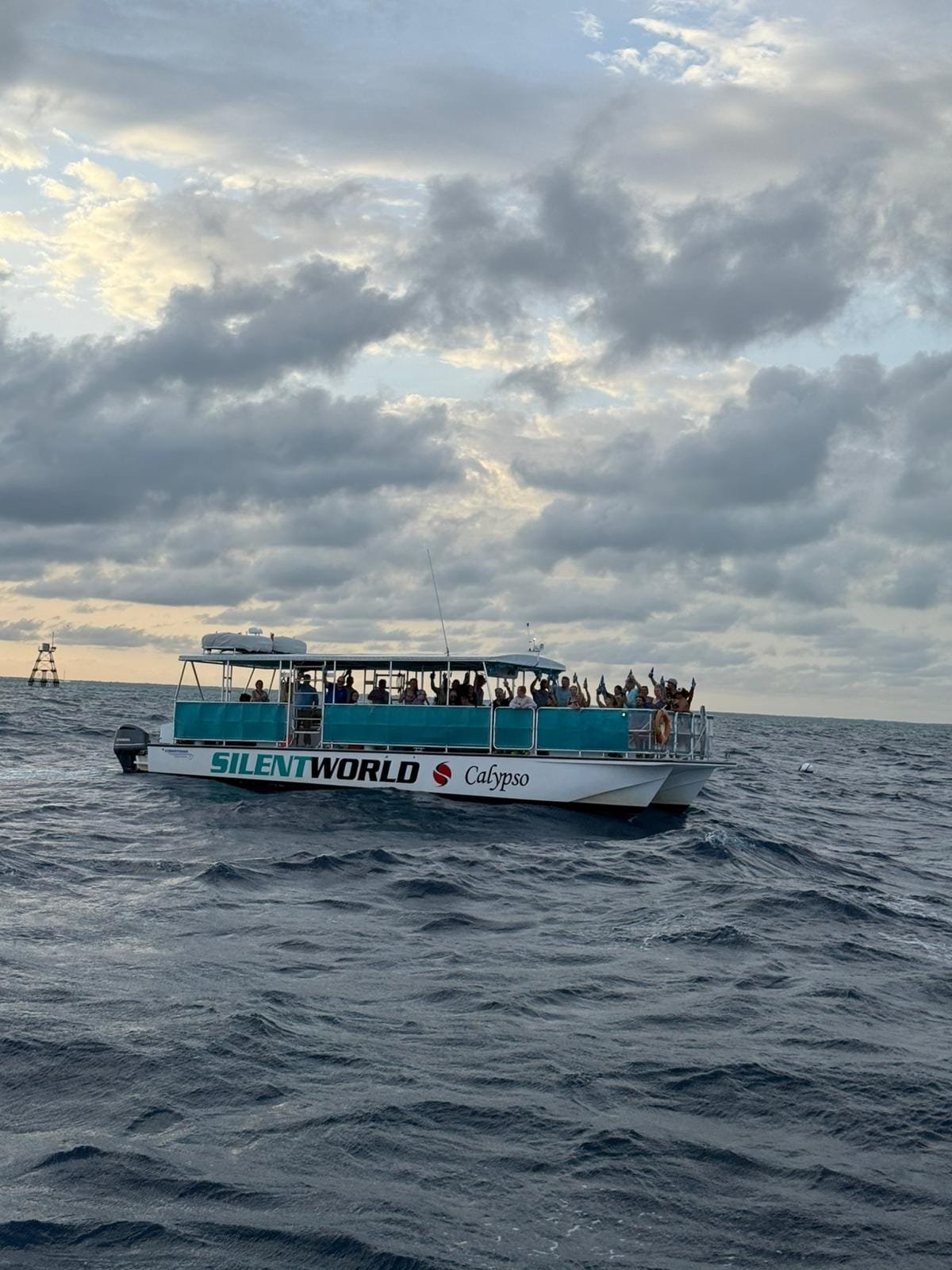
Remember, our unique trips aboard are large comfortable catamarans ensure you have plenty of space and personalized guidance to truly focus on the beauty beneath the waves.
Book your Key Largo snorkeling trip today and prepare for an unforgettable adventure with our family!