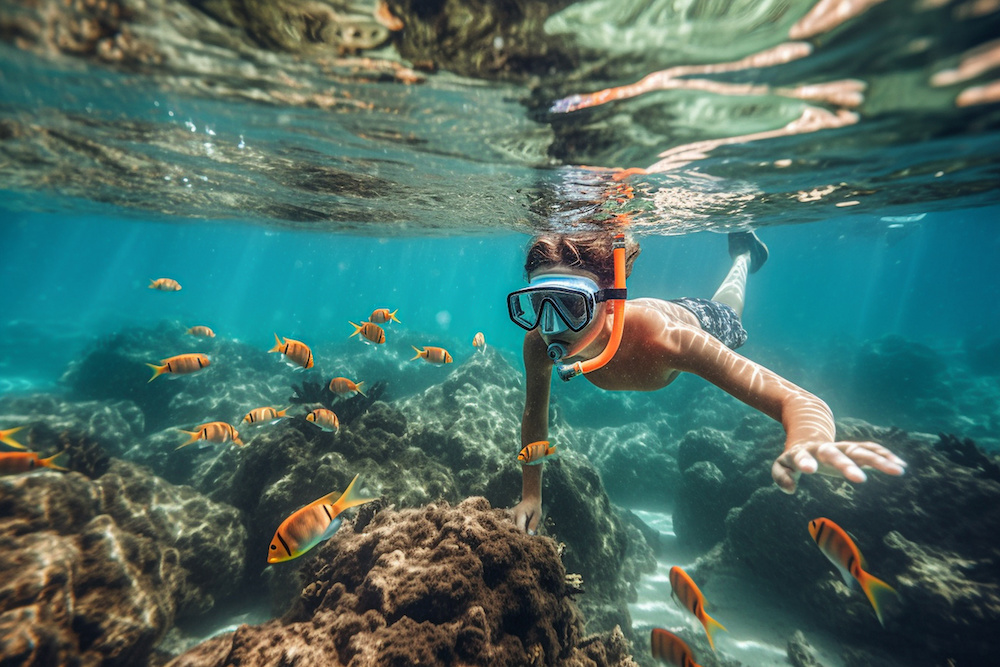
Slip beneath the surface in the Florida Keys and it’s like entering a slow-motion wildlife documentary–sunlight, flickering, reefs humming, and somewhere out there…the icons are gliding.
We’re talking about the heavy-hitters. The ones everyone hopes to see:
🐢Sea Turtles
🫧Eagle Rays
🦈Nurse Sharks
They’re out there–but they’re not randomly scattered like confetti. Each one follows its own rhythm, its own habitat, its own underwater “neighborhood.”
If you know where to look, the ocean starts to feel a lot less like a mystery…and a lot more like a map.
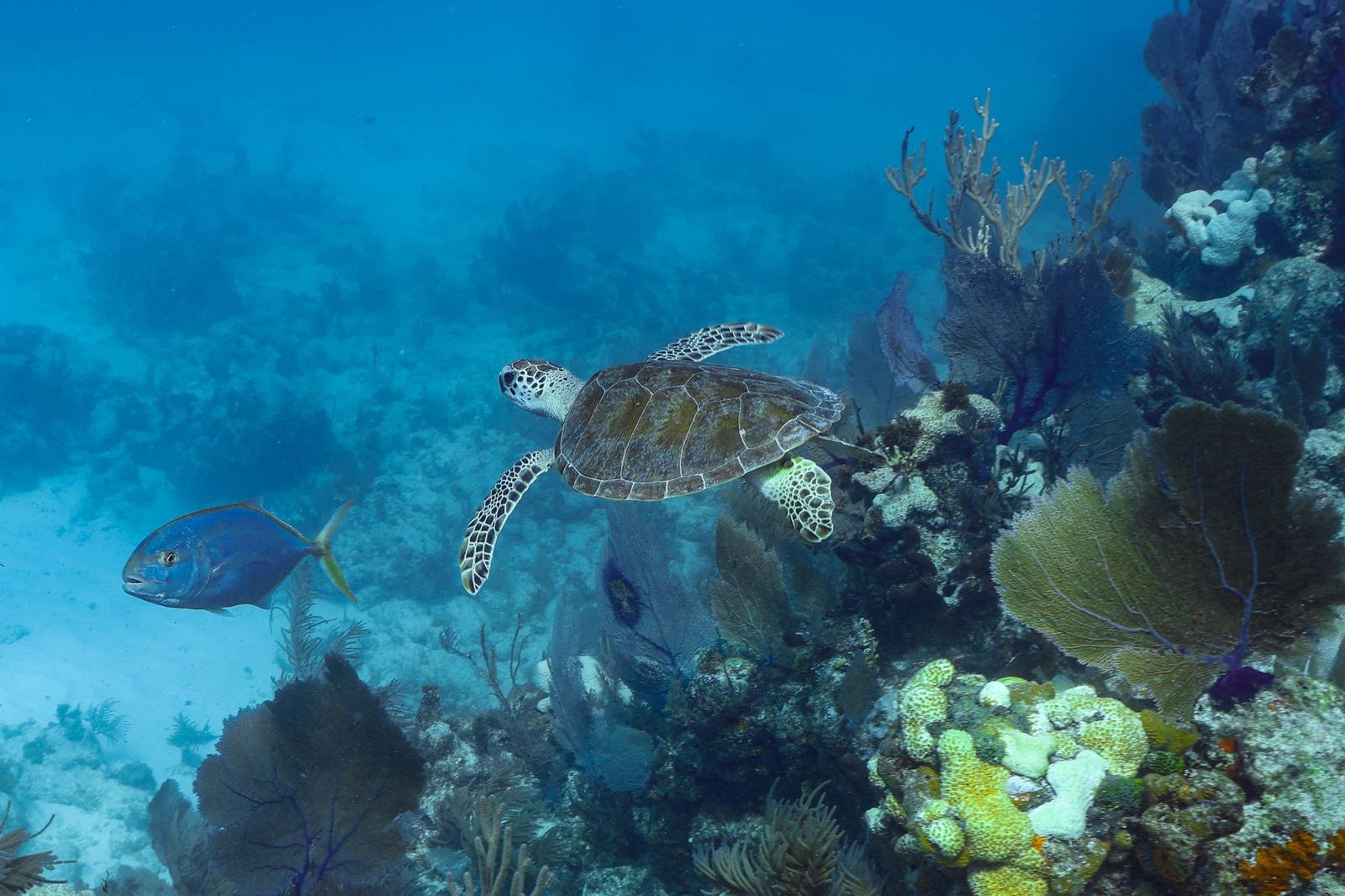
🐢Sea Turtles: The Reef Grazers
In the Keys, you’ll most commonly encounter green sea turtles and hawksbill turtles cruising the reefs near John Pennekamp Coral Reef State Park.
These ancient mariners are all about food and flow:
- Where do they hang out? You can find them on shallow coral reefs and in seagrass beds
- What are they doing? Grazing on algae or sponges
- How do you spot them? Look for slow, deliberate movement near the reef or when they come up to the surface for air
They’re calm, almost meditative. Spotting one feels like being let in on a quiet secret.
🫧Eagle Rays: The Open-Water Gliders
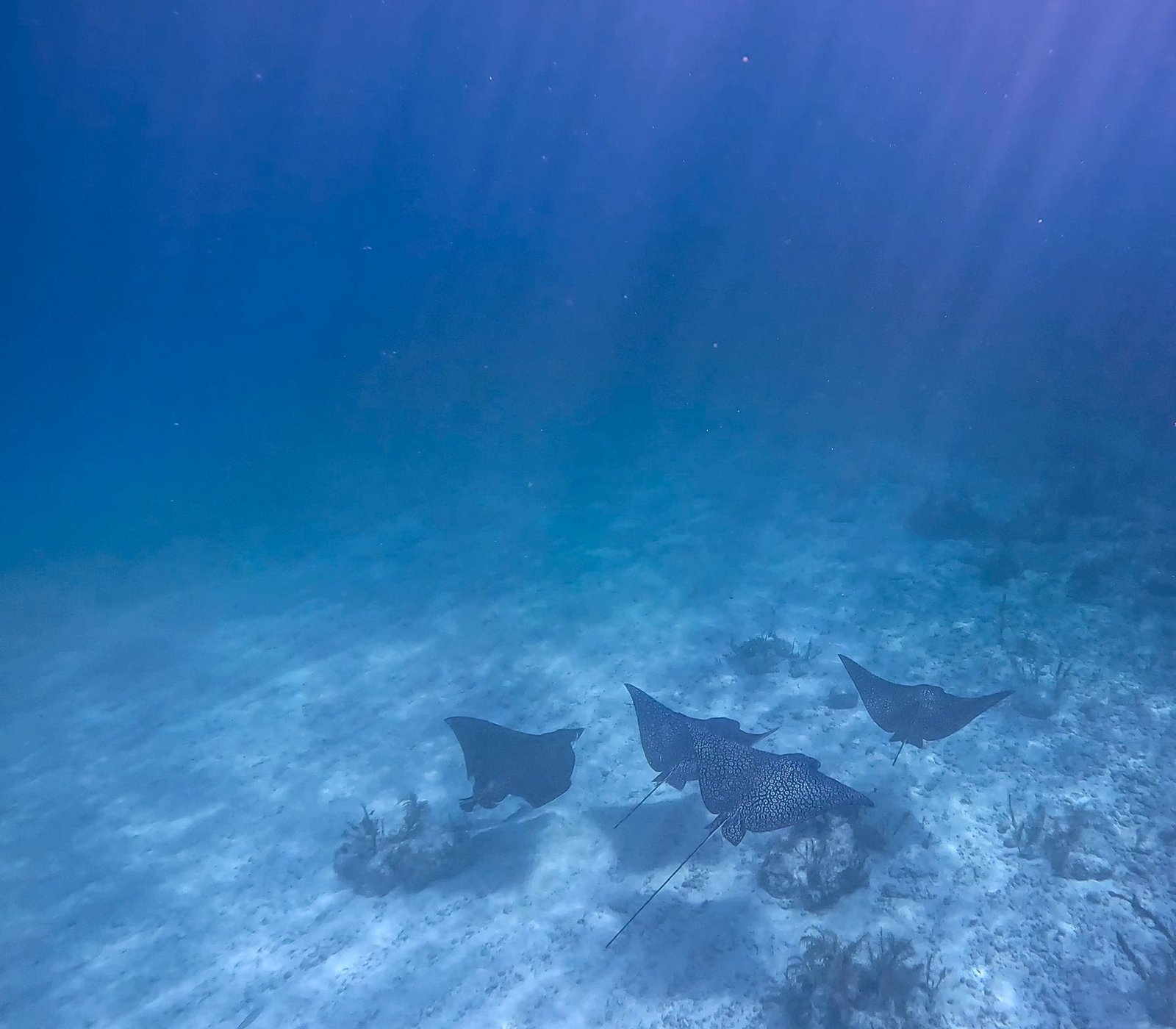
Eagle rays don’t hug the reef– they soar above it.
With wingspans that can stretch over 6 feet, they move like shadows with purpose, often cruising in small groups across sandy channels between reef systems.
- Where do they hang out? You can find them in sand flats, channels between reefs
- What are they doing? They are searching for crustaceans buried beneath the sand
- How do you spot them? Look into the blue, not just down– especially in deeper, open water
Blink and you’ll miss them, but catch one in motion? It’s pure underwater poetry.
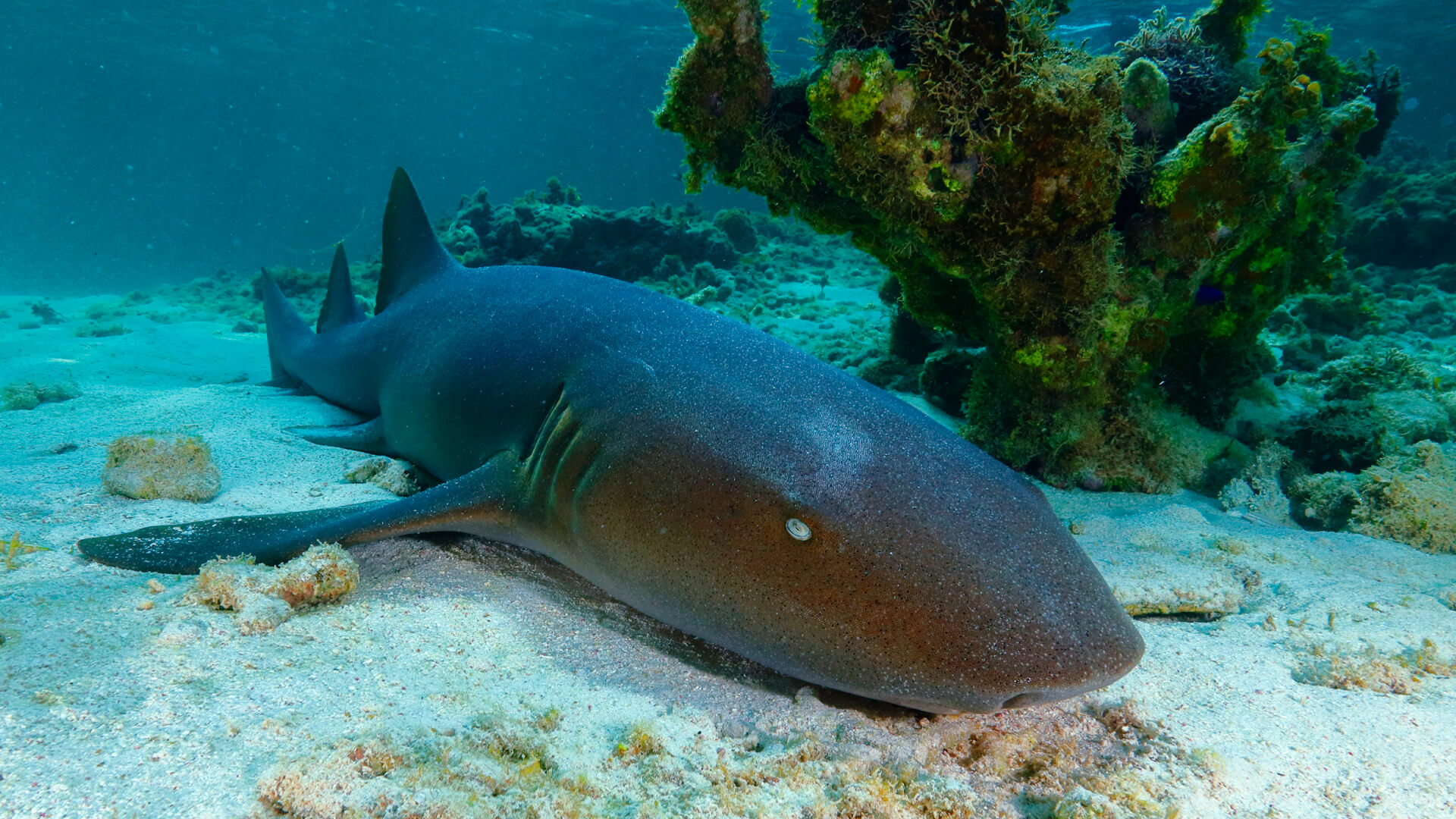
🦈Nurse Sharks: The Reef Resters
Nurse sharks are the laid-back locals of the Keys. No drama, no rush–just quietly existing in their favorite shaded spots.
- Where do they hang out? You’ll find them under ledges, coral overhangs, and even shipwrecks
- What are they doing? They like to rest during the day as they are more active at night
- How do you spot them? Check out the shadows–seriously! That “rock” might be breathing
They’re docile, unbothered, and surprisingly still. Seeing one up close is less “Jaws” and more “gentle giant taking a nap.”
The Truth Most People Miss
Here’s the catch:
You can spend hours in the water and never see any of these animals…if you’re in the wrong place.
Most basic snorkel trips go to convenient reef spots–not necessarily the right habitats at the right time. That’s why some people leave saying, “We saw fish!” but missed the icons entirely.
It’s Not Luck. It’s Location
Finding turtles, rays, and sharks isn’t about chance–it’s about strategy:
- Knowing which reefs turtles are actively feeding on
- Timing crossings where eagle rays are most likely to pass through
- Visiting structures where nurse sharks consistently rest
That’s the difference between hoping…and actually seeing.
The Smarter Way: “The Icons” Trip
If spotting these animals is at the top of your list, there’s a clear move:
Book “The Icons” trip.
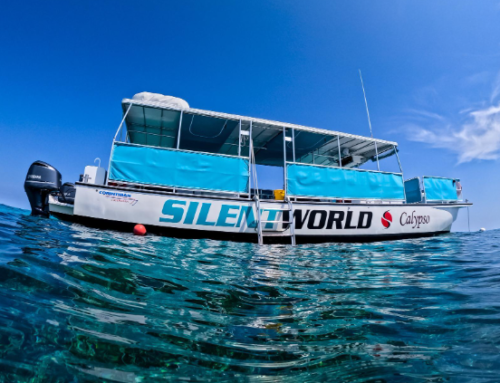
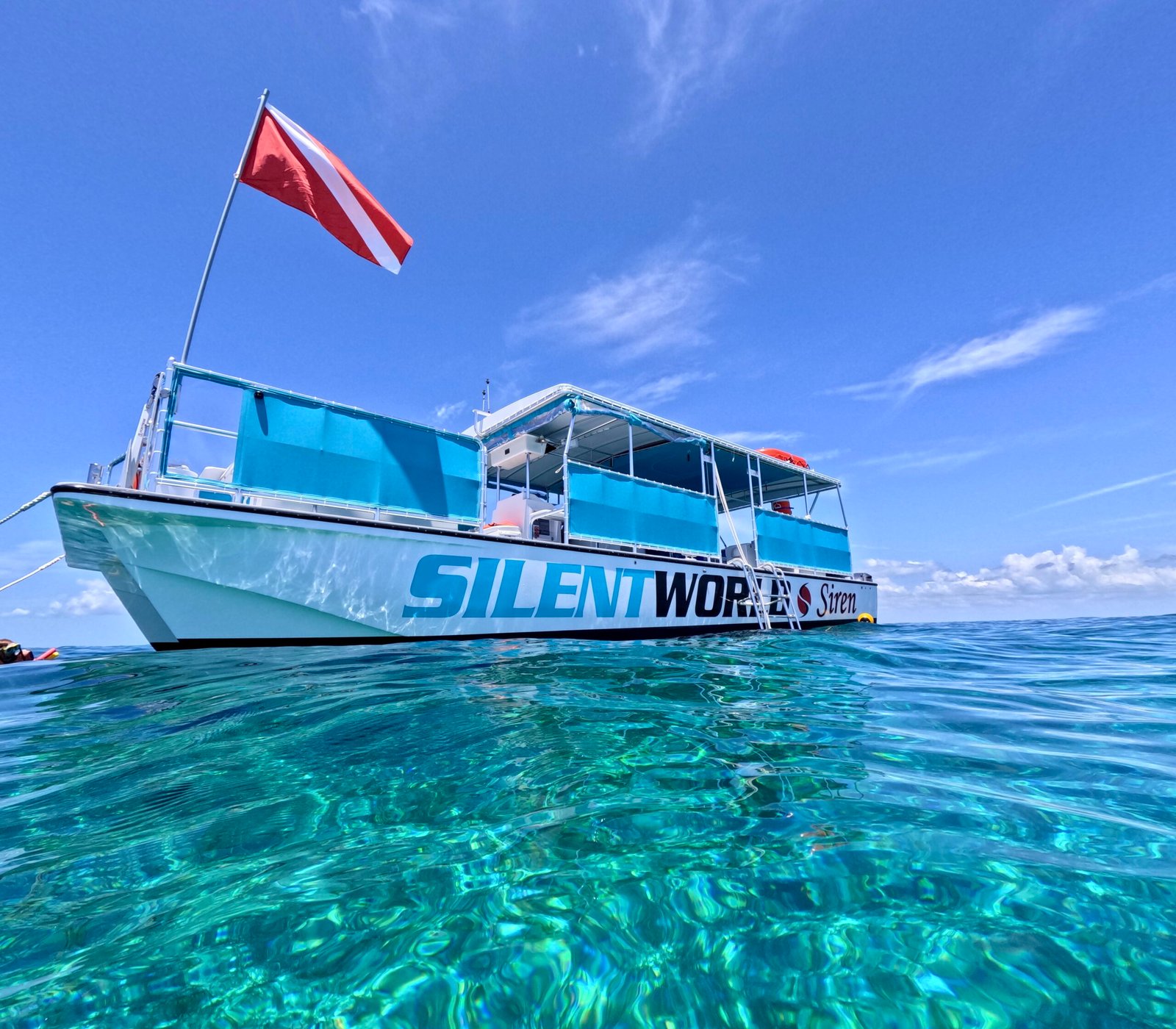
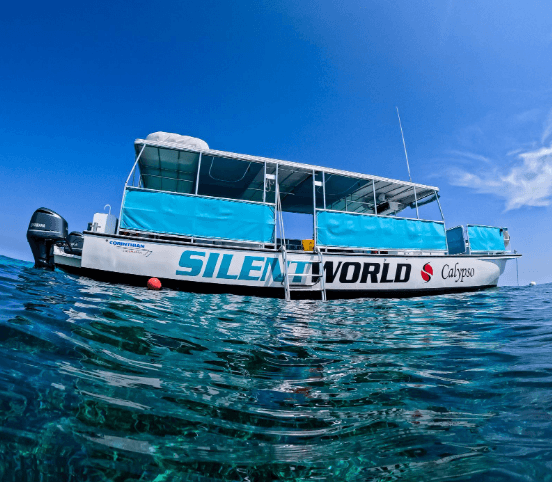
On “The Icons,” we go to specific habitats where these animals live, and adjust locations based on conditions and recent sightings. We also provide guidance on what to look for and where to look, and we keep groups more intentional so you’re not lost in a crowd.
That’s the difference between wandering and tracking.
Final Take
The Florida Keys are full of life, but the icons don’t just appear on cue. They reward those who know where to look.
And when you finally lock eyes with a sea turtle, or watch an eagle ray glide past, or spot a nurse shark tucked beneath the reef…
You’ll realize something:
You didn’t just go snorkeling.
You found something.
Book “The Icons” trip and go straight to where the legends of the reef actually live.