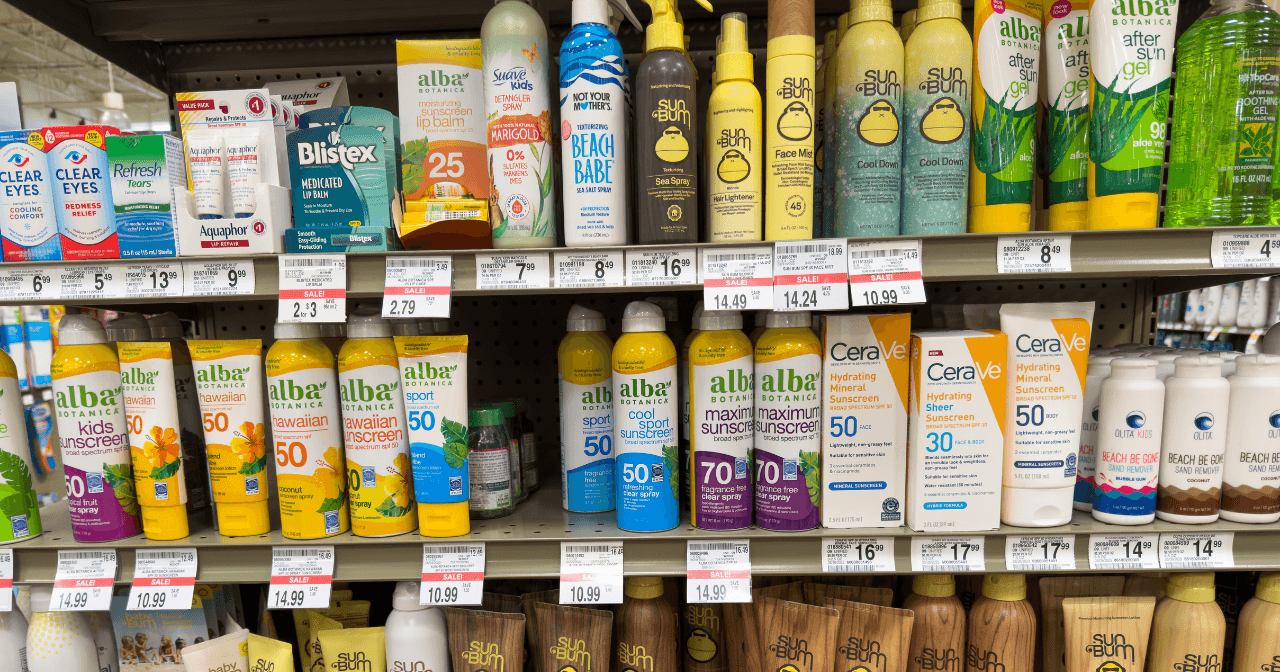
If you’re heading out to snorkel in the Florida Keys, your sunscreen choice matters more than you might think. It’s not just about protecting your skin–it’s about protecting the reef you came to see.
What’s Banned and Why?
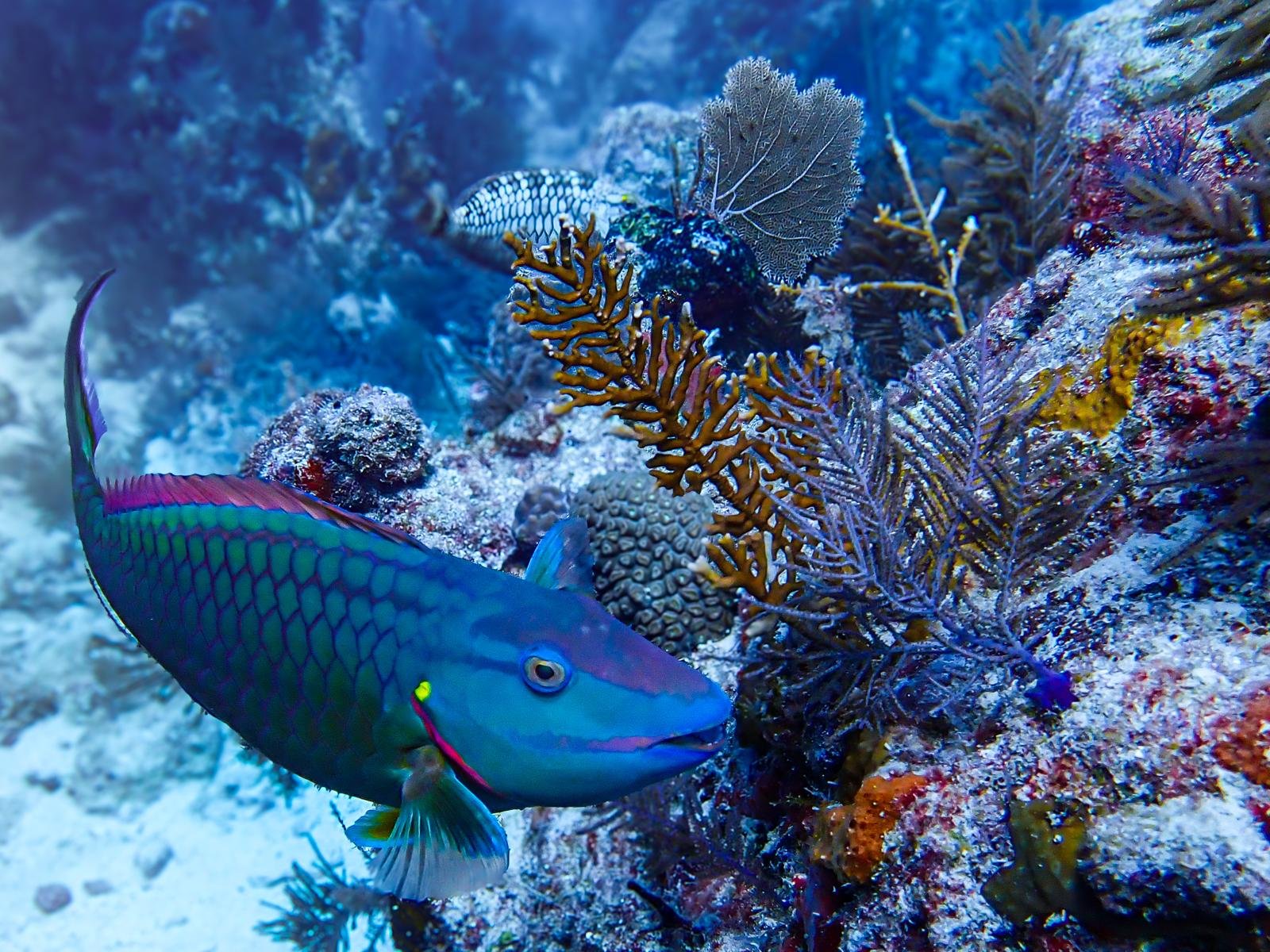
In areas connected to John Pennekamp Coral Reef State Park and the surrounding sanctuary waters, sunscreens containing oxybenzone and octinoxate are strongly discouraged and restricted in many eco-sensitive zones.
Why? These chemicals have been linked to:
- Coral bleaching
- Damage to coral DNA
- Disruption of marine life development
Even small amounts–washed off your skin while snorkeling–can have a ripple effect on fragile reef ecosystems.
What Counts as Reef-Safe
Look for sunscreens labeled “reef-safe”, but don’t stop at the front of the bottle. Flip it over and check the active ingredients.
The gold standard:
- Non-nano zinc oxide
- Non-nano titanium dioxide
These sit on top of your skin rather than absorbing in, and they don’t harm coral reefs.
🧴 The Hidden Problem with “Drugstore Reef-Safe”
Here’s where things get tricky. Many big-name brands found at pharmacies or big-box stores still:
- Use misleading “reef-friendly” labels
- Contain nano-particles or unregulated additives
- Feel greasy, wash off quickly, or don’t hold up in the water
Translation: you may think you’re protected and compliant… but you’re not getting the performance or the peace of mind you want for a snorkel trip.
🌱 Why Buying at the Dive Center Just Makes Sense
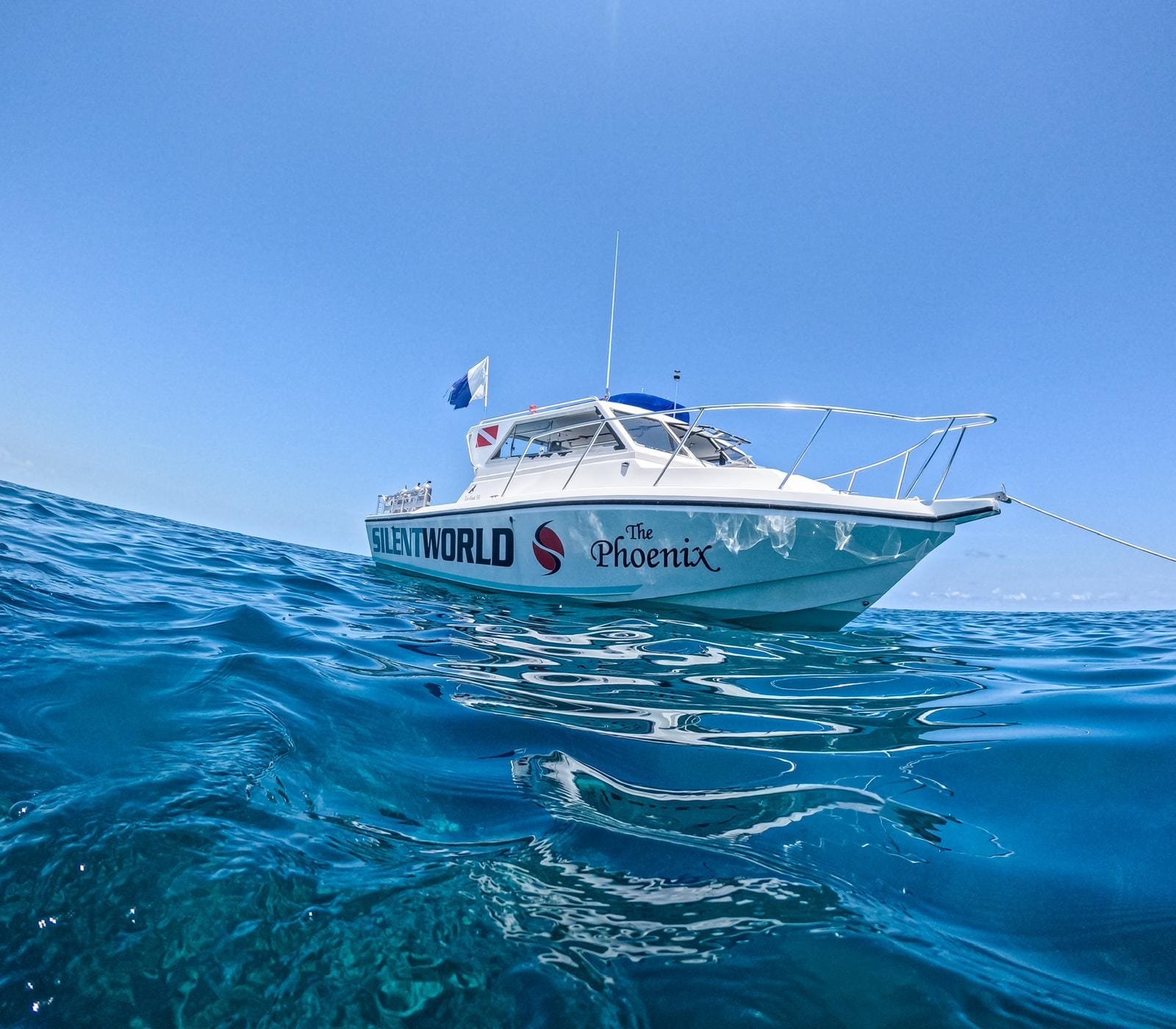
At Silent World’s Eco Center, we’ve already done the homework for you.
Our sunscreen selection is:
- Fully compliant with reef protection guidelines
- Tested in real Key Largo conditions (salt, sun, and long snorkel sessions)
- Comfortable, non-greasy, and long-lasting
It’s not just retail—it’s curation. We only carry products we trust on our own crew and family.
⏱️ Pro Tip: Don’t Wait Until You’re on the Boat
Grabbing sunscreen last-minute at a random store can lead to confusion, bad ingredients, or just plain disappointment.
Instead:
- Pick up a vetted, reef-safe option when you check in
- Apply it 30 minutes before departure for best protection
- Reapply between snorkel stops if needed
🌊 The Big Picture
Healthy reefs don’t happen by accident—they’re protected by small choices made by thousands of visitors every day.
Choosing the right sunscreen means:
- Better protection for your skin ☀️
- A safer environment for coral and marine life 🐠
- A clearer conscience when you slip into that water
And when you’re floating above a living reef in the Florida Keys, that’s a pretty great feeling.