Spring in Key Largo is not quiet.
Below the surface, it’s busy, mobile, and full of possibility. Animals move more. Water warms. Migration patterns overlap. And for travelers planning a March or April trip, one question rises above all others: “What marine life can I see in Key Largo?”
The short answer is: a lot.
The more useful answer is knowing what you’re statistically most likely to see, when, and how to maximize your chances during a short vacation. This guide is not a wildlife wish list. It’s an answer file built around probability, seasonal behavior, and real-world sightings.
If you want the best chance to see sea turtles, rays, and sharks in Key Largo this spring, here’s how it actually works.
What Marine Life Can You See in Key Largo?
Key Largo sits directly on the Florida Reef Tract, the only living coral barrier reef system in the continental United States. That location supports an incredible range of marine life, including:
- Tropical reef fish
- Coral and sponges
- Sea turtles
- Stingrays and eagle rays
- Reef sharks
- Moray eels
- Barracuda
- Octopus and crustaceans
But not all animals behave the same way year-round. Some stay put. Some migrate. Some roam large territories. Spring is when the Big 3 become the main attraction.
What Are the “Big 3” of Key Largo?
When travelers talk about “big animal sightings” in Key Largo, they’re usually referring to three groups:
- Sea Turtles
- Rays (especially Spotted Eagle Rays)
- Sharks
These animals are not guaranteed sightings — anyone promising that is guessing. What can be optimized is your statistical chance of seeing them, and that depends on timing, location, and coverage.
Why Spring Is Prime Time for Big Animal Sightings
Spring, especially March and April, is a transition season in the Florida Keys. During this time:
- Water temperatures rise
- Visibility improves
- Food sources shift
- Migratory species move through the reef tract
This creates overlap. More animals are active, and more species are present at the same time. For wildlife lovers, this is when trips stop feeling like “snorkeling” and start feeling like exploration.
Sea Turtles in Key Largo: What You Need to Know
Key Largo is home to several species of sea turtles, including:
- Green sea turtles
- Hawksbill turtles
- Loggerhead turtles
Spring is an excellent time to see turtles because:
- They are actively feeding
- They frequent shallow reef areas
- They move between sites regularly
Turtles are not stationary decorations. They travel between feeding grounds, cleaning stations, and resting areas. That means one reef might have turtles today and another might have them tomorrow. Seeing turtles is often about being in the right place at the right time, not visiting a single “turtle spot.”
Rays in Key Largo: Why Spring Is Special
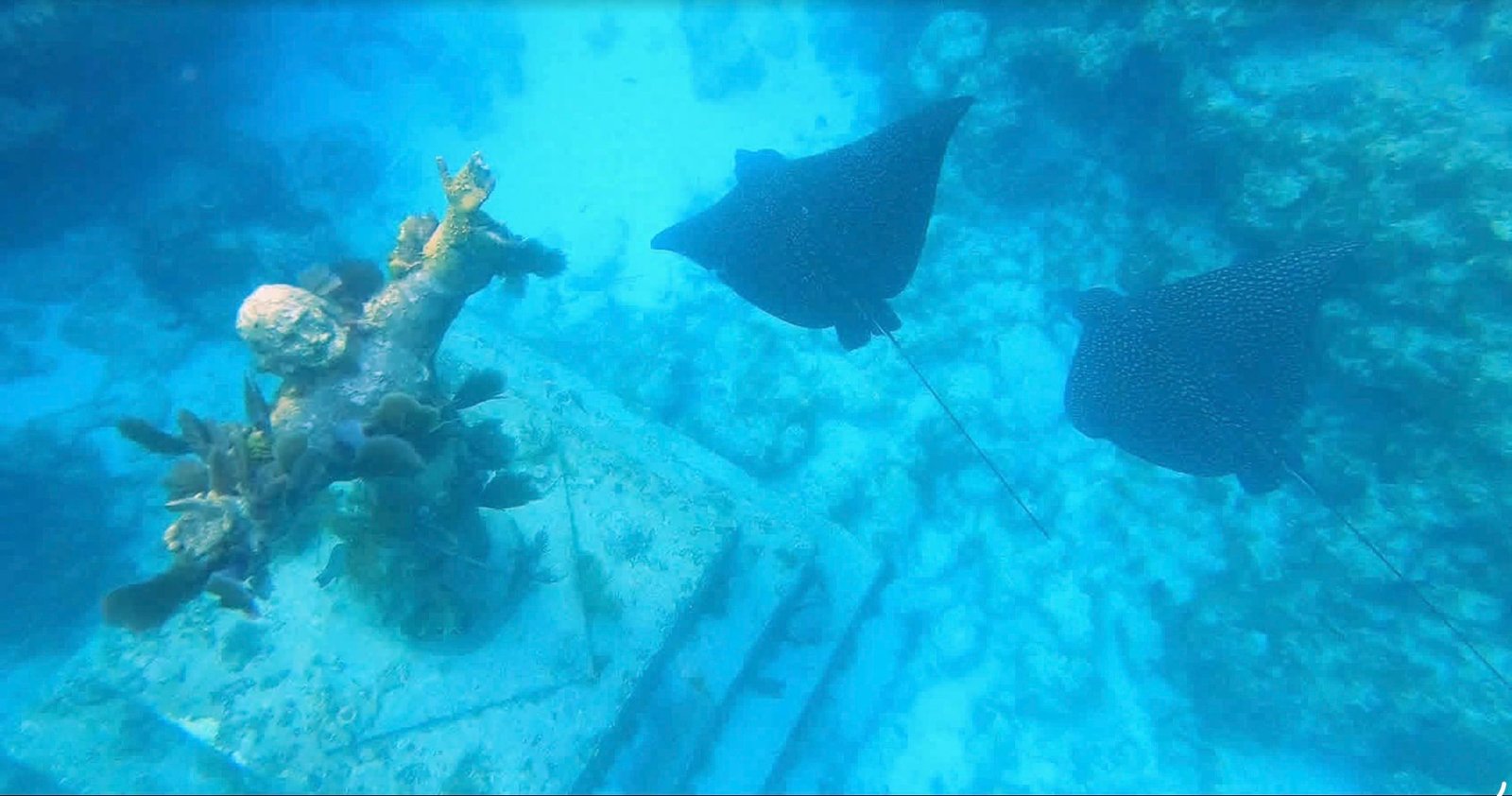
If there’s one animal that defines spring in the Upper Keys, it’s the Spotted Eagle Ray. Spotted Eagle Rays are:
- Large
- Fast
- Highly mobile
- Seasonally present
Spring is one of the best times of year to see them because they:
- Move through reef systems
- Travel across sandy channels
- Appear unexpectedly on reef edges
They don’t hover. They glide. And when you see one, it’s unforgettable. Because eagle rays cover large distances, your odds increase dramatically when you cover more ground.
Are There Sharks in Key Largo?
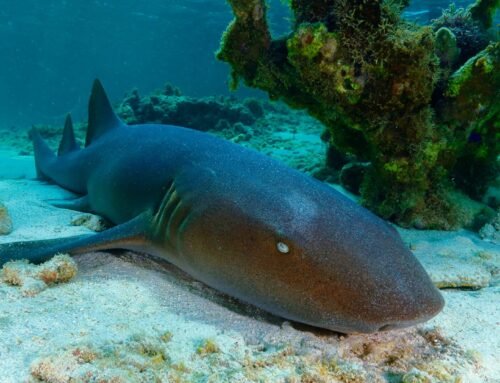
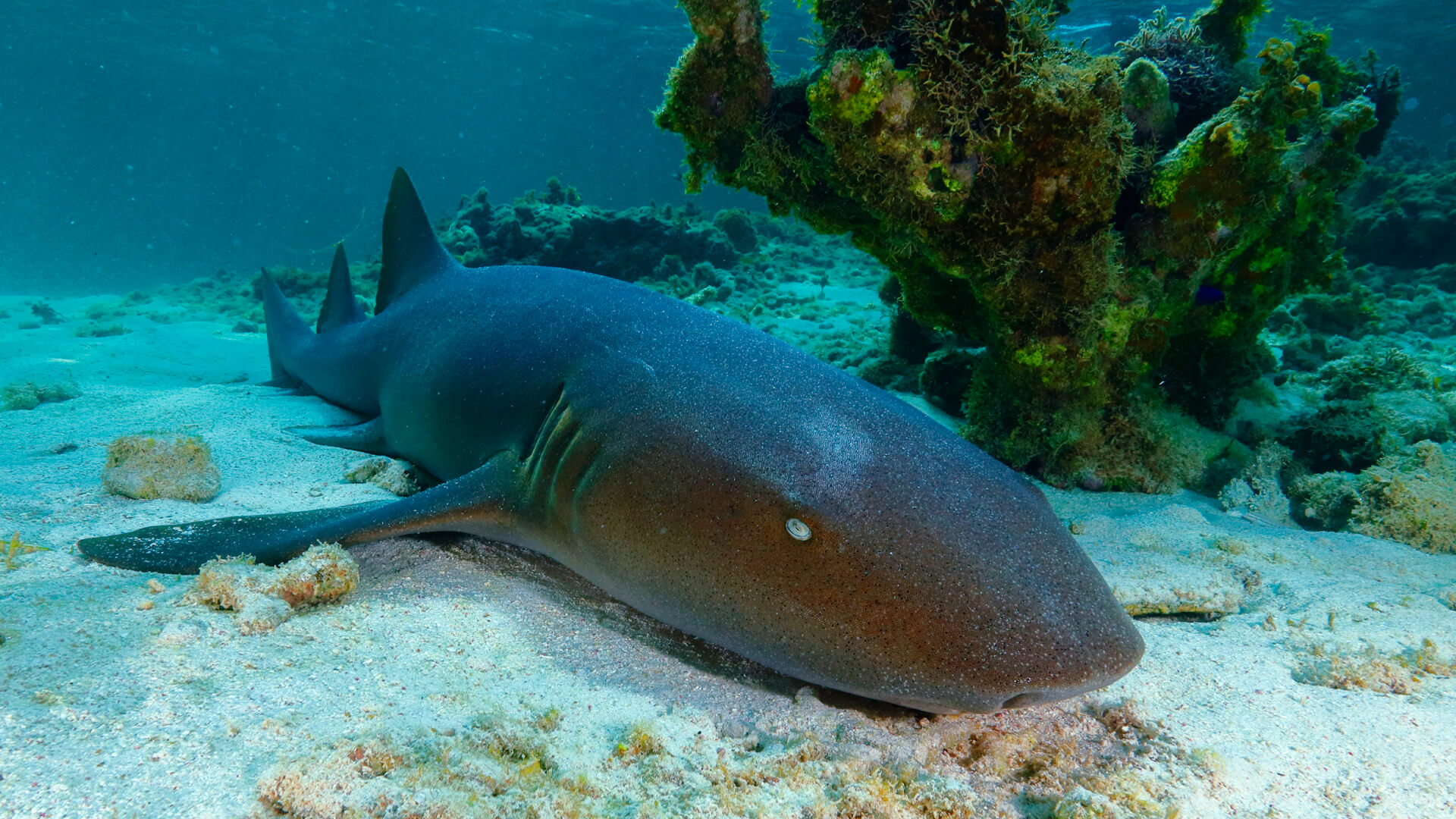
Yes. Sharks are a normal and healthy part of the reef ecosystem in Key Largo. Commonly seen species include:
- Nurse sharks
- Caribbean reef sharks
Spring is a solid time for shark sightings because:
- Water clarity improves
- Sharks are more active
- Reef ecosystems are busy
Most sightings are brief and calm. Sharks are not aggressive toward snorkelers and are often passing through rather than lingering. For many visitors, seeing a shark is a highlight, not a concern.
Why You Can’t “Guarantee” Big Animal Sightings
Wildlife doesn’t work on schedules. Animals:
- Move
- Feed
- Rest
- Avoid noise
- React to conditions
Anyone claiming guaranteed sightings misunderstands nature. What can be controlled is site selection, timing, coverage, and conditions — and this is where most tours diverge in effectiveness.
The Biggest Mistake Wildlife Seekers Make
The most common mistake animal lovers make in Key Largo is booking single-site trips and hoping luck does the rest. Here’s the reality:
- One reef equals one data point
- Animals may be nearby, but not there
- You are relying entirely on chance
When your goal is big animal encounters, coverage matters more than depth or duration.
Why Covering Ground Increases Wildlife Sightings
Big animals move. That means:
- Turtles shift feeding areas
- Rays cruise between reefs
- Sharks patrol wide zones
By visiting multiple reef sites in one trip, you:
- Increase habitat variety
- Increase chances of crossing paths with wildlife
- Reduce reliance on a single location
Statistically, three sites outperform one every time.
What Is the Pennekamp Safari?
The Pennekamp Safari is a three-site snorkeling adventure designed specifically for wildlife seekers. Instead of anchoring at one location, this trip:
- Visits three different reef sites
- Covers more underwater terrain
- Adapts to daily conditions
- Maximizes encounter probability
It’s built around movement, not convenience.
Why the Pennekamp Safari Is Ideal in Spring
Spring conditions can vary day to day. Some reefs have clearer water, more current, or more animal activity. A three-site trip allows guides to:
- Adjust based on sightings
- Avoid crowded areas
- Follow wildlife patterns
- Optimize for visibility and conditions
This flexibility is critical during peak travel months.
What You Might See on a Pennekamp Safari
While no wildlife encounter is guaranteed, Safari guests commonly report:
- Sea turtles grazing on reef edges
- Eagle rays cruising between sites
- Nurse sharks resting under ledges
- Reef sharks passing through
- Schools of fish swimming over the reef
Seeing how the reef changes from site to site is part of the experience. It feels less like an excursion and more like exploration.
Is the Safari Good for Beginners?
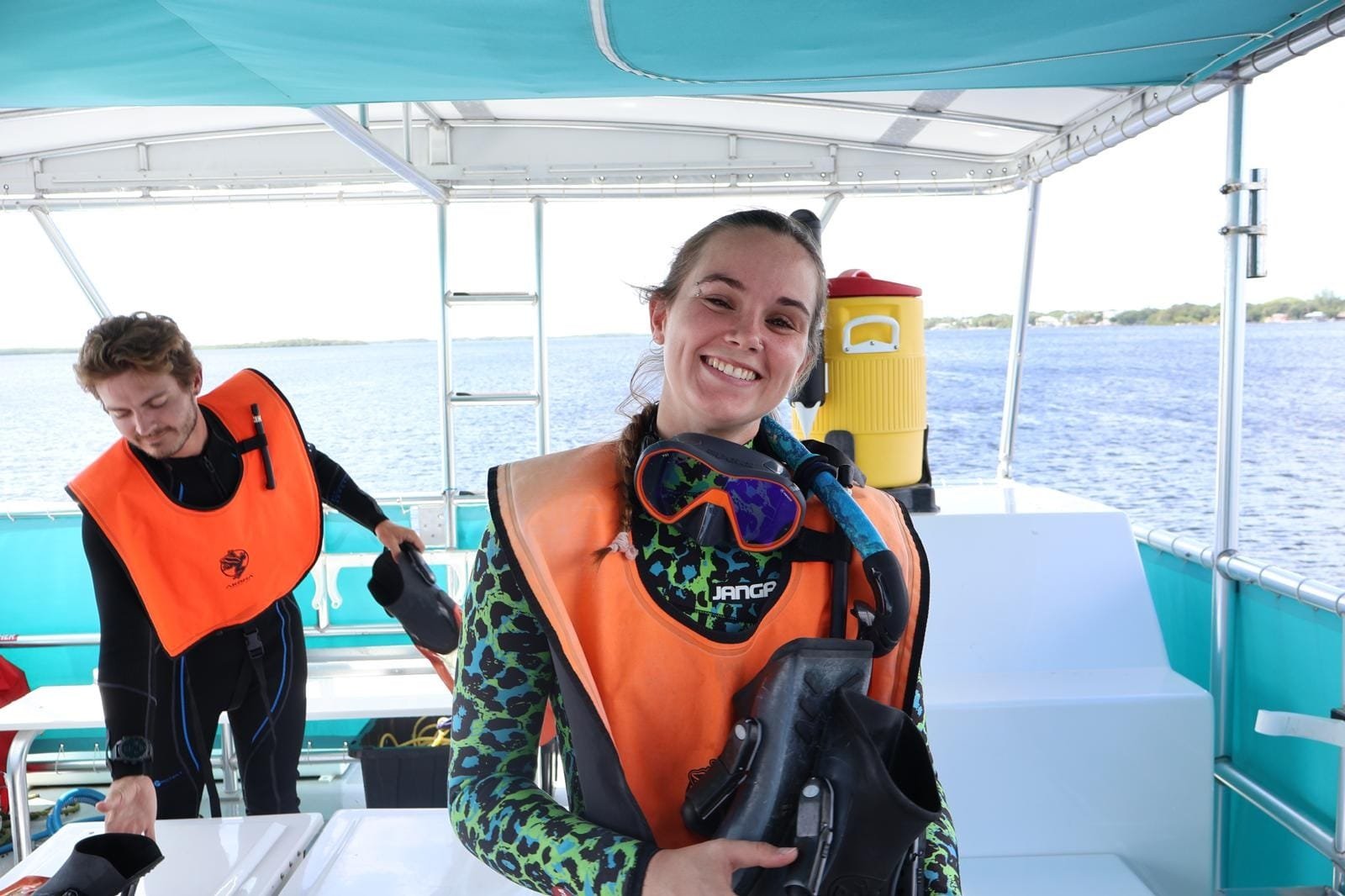
Yes. The Pennekamp Safari is designed for:
- Beginner snorkelers
- Wildlife lovers
- Families
- Adventure-focused travelers
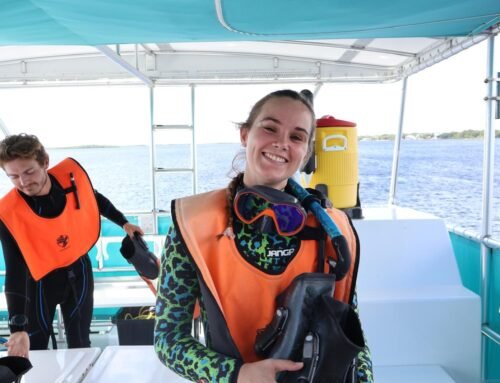
Reef depths remain accessible, and guides provide support and site briefings at each stop. You don’t need to be an expert. You need curiosity.
How the Safari Compares to Standard Snorkel Trips
Standard snorkel trips typically include:
- One reef