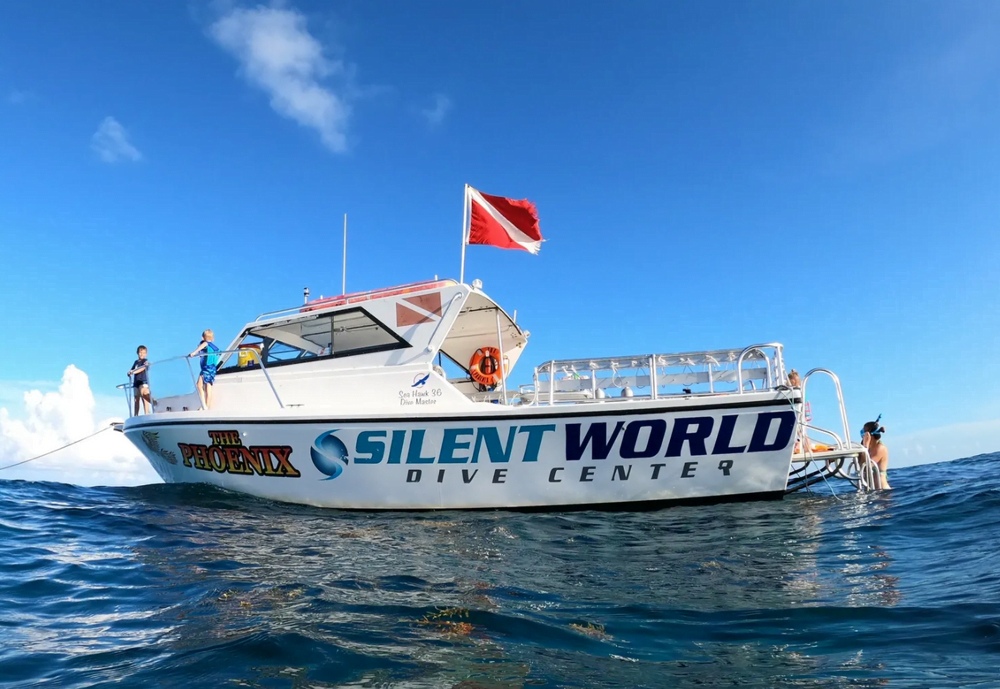
John Pennekamp Coral Reef State Park, located in Key Largo, Florida, is a snorkeler’s paradise, renowned as the first undersea park in the United States. Spanning 70 nautical square miles, it encompasses vibrant coral reefs, diverse marine life, and iconic underwater landmarks that draw adventurers from around the globe. Among its many treasures, five snorkeling sites stand out for their unique features and breathtaking underwater experiences: Key Largo Dry Rocks, Grecian Rocks, Horseshoe Reef, North Dry Rocks, and Banana Patch. In this guide, we’ll dive into what makes each site special, highlight the best things to see, and share why these locations make John Pennekamp a must-visit for snorkelers of all levels.
1. Key Largo Dry Rocks: Home of the Iconic Christ of the Abyss
Why It’s Special
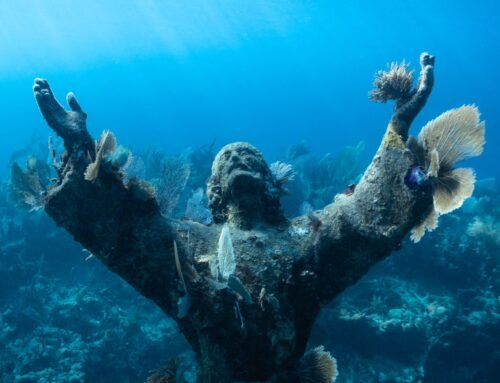
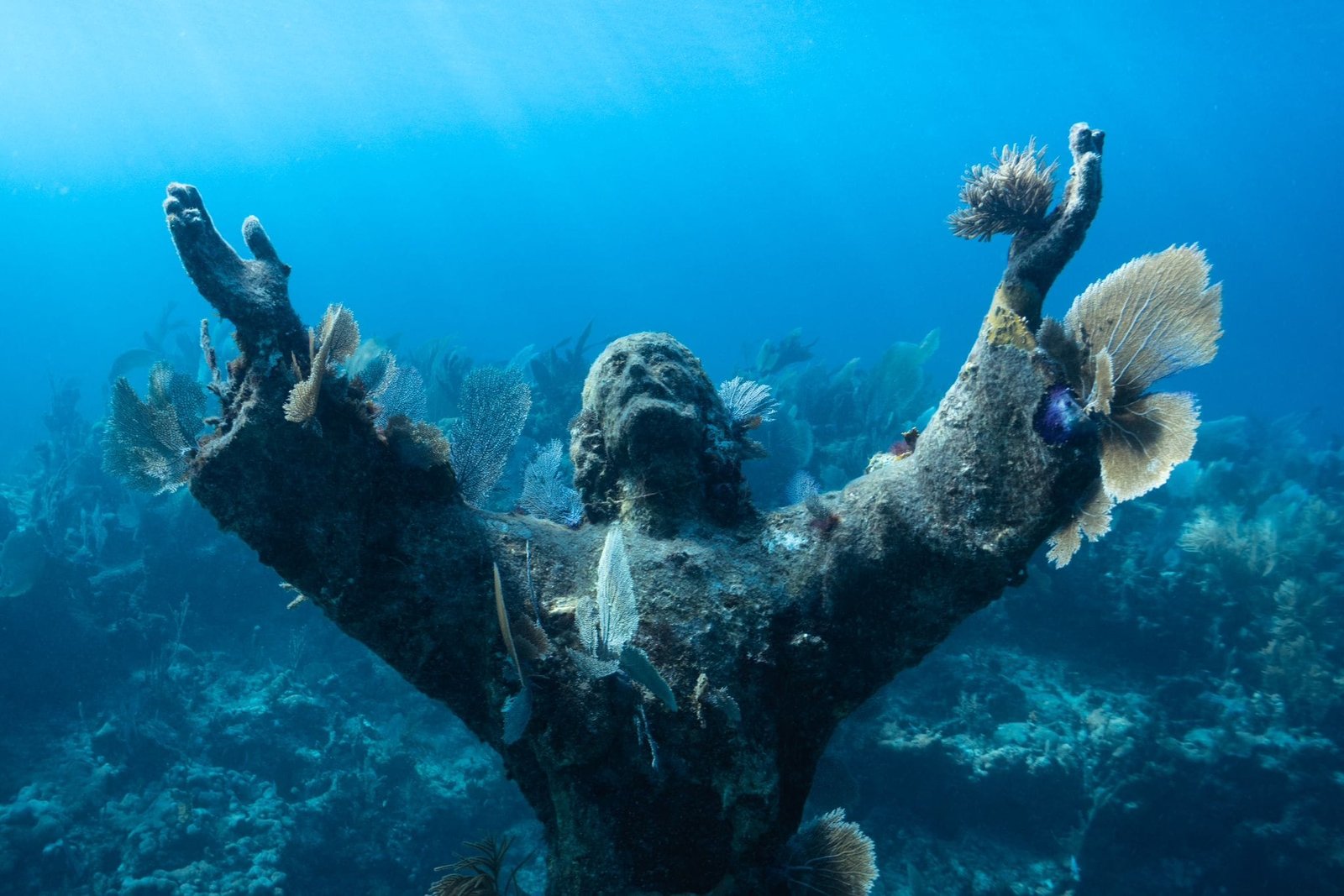
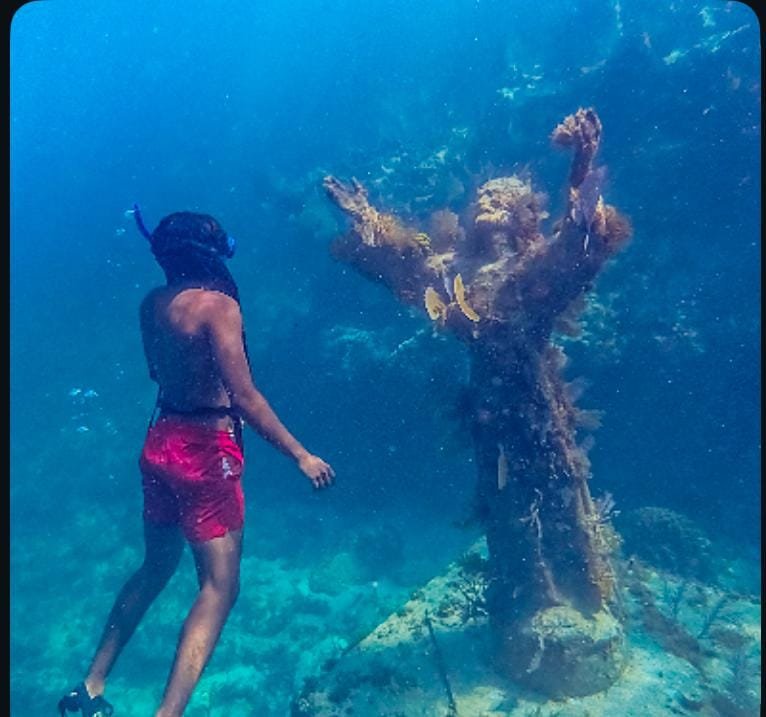
Key Largo Dry Rocks is arguably the most famous snorkeling site in John Pennekamp, largely due to the presence of the *Christ of the Abyss* statue, a 9-foot-tall bronze figure submerged in 22 feet of water. Installed in 1965, this iconic statue, a replica of *Il Cristo degli Abissi* in the Mediterranean, stands as a symbol of peace and marine conservation. The site’s shallow waters (8–25 feet) make it accessible for beginners, while its vibrant marine life and historical significance captivate experienced snorkelers. The clear, calm conditions and sandy patches around the reef enhance visibility, making it a favorite for underwater photography.
Best Things to See
- Christ of the Abyss Statue: The star attraction, this statue is surrounded by schools of colorful fish, with sunlight filtering through the water to create a dramatic, almost spiritual scene. Snorkelers can float just above the statue, capturing its outstretched arms against the backdrop of the reef.
- Coral Formations: The reef features brain corals, staghorn corals, and sea fans, creating a textured underwater landscape. Look for small crevices where moray eels and spiny lobsters hide.
- Marine Life: Expect to see sergeant majors, parrotfish, and angelfish darting among the corals. Barracudas occasionally patrol the deeper edges, adding excitement for keen observers.
- Turtle Sightings: Green and hawksbill turtles are frequent visitors, often spotted gliding gracefully near the statue or grazing on seagrass beds.
What Makes It Unique
The Christ of the Abyss sets Key Largo Dry Rocks apart as a cultural and natural landmark. Its shallow depth ensures accessibility for families and first-time snorkelers, while the statue’s historical allure draws divers and photographers. The site’s proximity to the park’s main launch point makes it a staple on many snorkel tours, often paired with nearby reefs for a full day of exploration. For eco-conscious snorkelers, the site’s connection to conservation efforts, including coral restoration nearby, adds a layer of purpose to the visit.
Tips for Visiting
- Book a group tour with operators like Silent World Dive Center for a more intimate experience around the statue.
- Visit early in the morning for calmer waters and fewer crowds.
- Bring an underwater camera to capture the statue’s ethereal glow in the morning light

2. Grecian Rocks: A Shallow Reef Oasis for Beginners
Why It’s Special
Grecian Rocks is a snorkeler’s dream for its shallow depths (5–15 feet) and vibrant, healthy coral formations. Located on edge of shallow reef system , this patch reef is sheltered from strong currents, making it ideal for beginners, families, and snorkelers seeking a relaxed experience. Its size and diverse ecosystem offer a microcosm of Key Largo’s underwater beauty, with colorful corals and abundant marine life thriving in crystal-clear waters.
Best Things to See
- Soft Corals and Staghorn Corals: Grecian Rocks boasts some of the healthiest branching corals in the park, creating a forest-like underwater scene. These corals attract schools of tropical fish, perfect for close-up observation.
- Fish Diversity: Look for blue tangs, wrasses, and damselfish weaving through the coral branches. The shallow waters make it easy to spot smaller species like blennies and gobies hiding in crevices.
- Sea Fans and Sponges: Vibrant purple sea fans sway gently in the current, while barrel sponges add structure to the reef. These features create a dynamic backdrop for snorkeling.
- Sting Rays: Southern stingrays and spotted eagle rays sometimes glide through the sandy patches, offering a thrilling sight for lucky snorkelers.
What Makes It Unique
Grecian Rocks’ shallow, protected nature makes it a go-to spot for snorkelers of all skill levels, particularly those new to the sport. Its accessibility allows for longer in-water time, as snorkelers can comfortably explore without needing advanced skills. The reef’s linear layout means you can cover a lot of ground in a single visit, making it a favorite for new Snorkelers or families with kids. Its proximity to Key Largo Dry Rocks also allows operators to combine both sites in one trip, maximizing variety.
Tips for Visiting
- Opt for a morning tour when visibility is at its peak and the reef is less crowded.
- Wear eco-friendly sunscreen to protect the delicate corals, as Grecian Rocks is part of ongoing conservation efforts.
- Don’t skip the sea grass, the sea grass beds between the mooring and the reef are prime time for Lobster, turtle, and eagle ray sightings

3. Horseshoe Reef: A Natural Aquarium with Diverse Marine Life
Why It’s Special
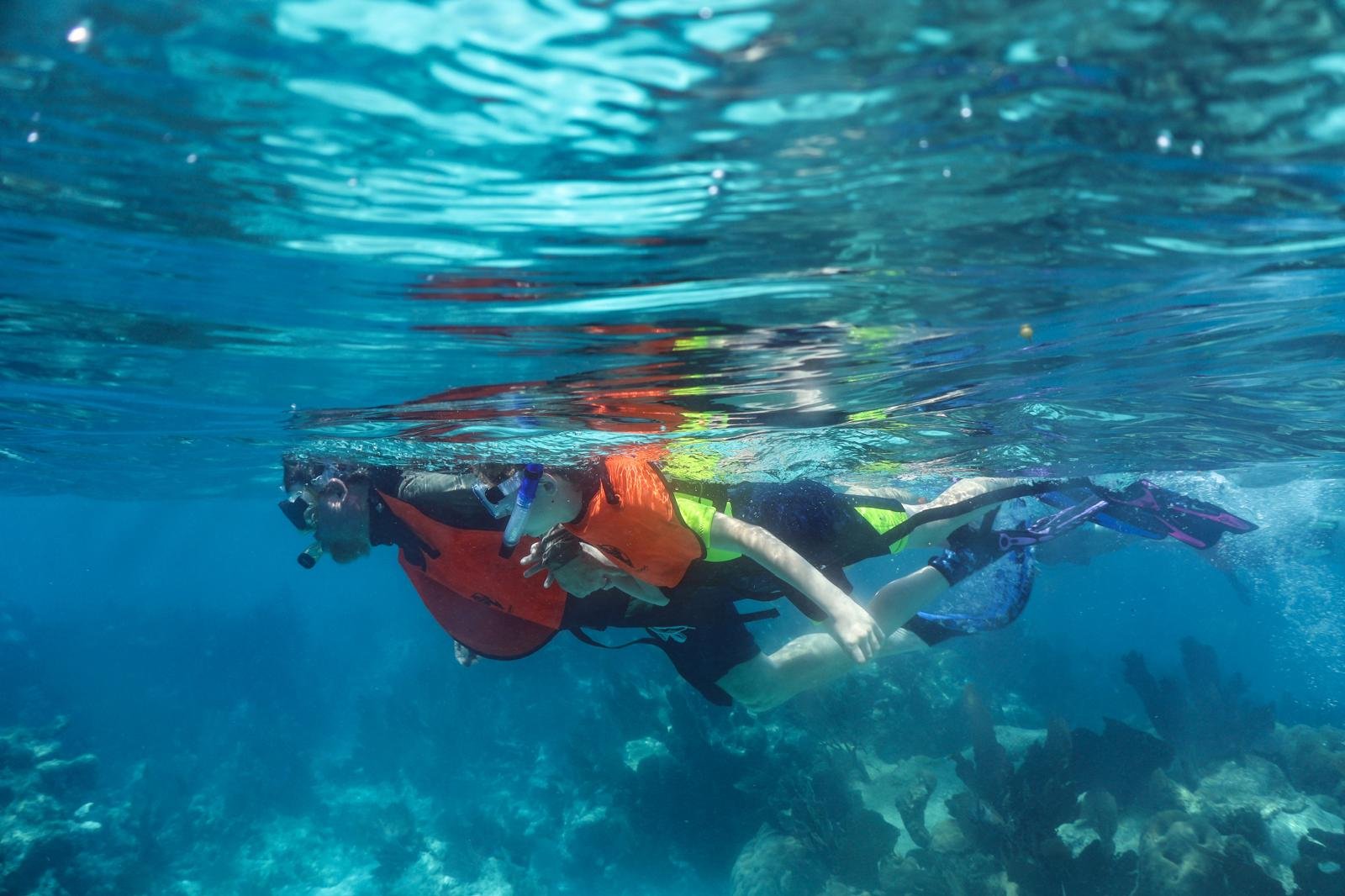
Horseshoe Reef, named for its U-shaped coral formation, is a hidden gem in John Pennekamp, offering a natural aquarium-like experience. With depths ranging from 5 to 30 feet, it caters to both novice and intermediate snorkelers. The reef’s unique shape creates a sheltered environment where marine life thrives, and its slightly off-the-beaten-path location means fewer crowds compared to more famous sites like Key Largo Dry Rocks.
Best Things to See
- Coral Arches and Grottos: The U-shaped reef features small caves and overhangs where snorkelers can spot lobsters, crabs, and Grouper fish hiding in the shadows.
- Schooling Fish: Large schools of grunts, snapper, and goatfish congregate within the reef’s curve, creating a mesmerizing display of synchronized movement.
- Nurse Sharks and Rays: Nurse sharks often rest in the sandy patches, while stingrays bury themselves in the sediment, offering exciting encounters for attentive snorkelers.
- Soft Corals: Sea whips and gorgonians add a soft, flowing texture to the reef, swaying with the gentle currents and attracting colorful reef fish.
What Makes it Unique
Horseshoe Reef’s distinctive shape creates a semi-enclosed environment that feels like snorkeling in a natural amphitheater. This structure fosters a high concentration of marine life, making every swim visually spectacular. Its slightly deeper sections appeal to snorkelers looking for a bit more challenge, while the calm interior remains beginner-friendly. The site’s quieter vibe, due to fewer tour groups, offers a serene experience for those seeking to connect with nature.
Tips for Visiting
- Choose a tour operator like Silent World to access this more northern Reef site.
- Keep your eyes open for Preston. He’s a resident Green sea Turtle who lives at Horsehoe reef, and he loves to say high to Snorkelers
- Keep an eye on the sandy bottom for camouflaged rays and sharks to avoid missing them
4. North Dry Rocks: A Vibrant Reef with Stunning Coral Diversity
Why It’s Special
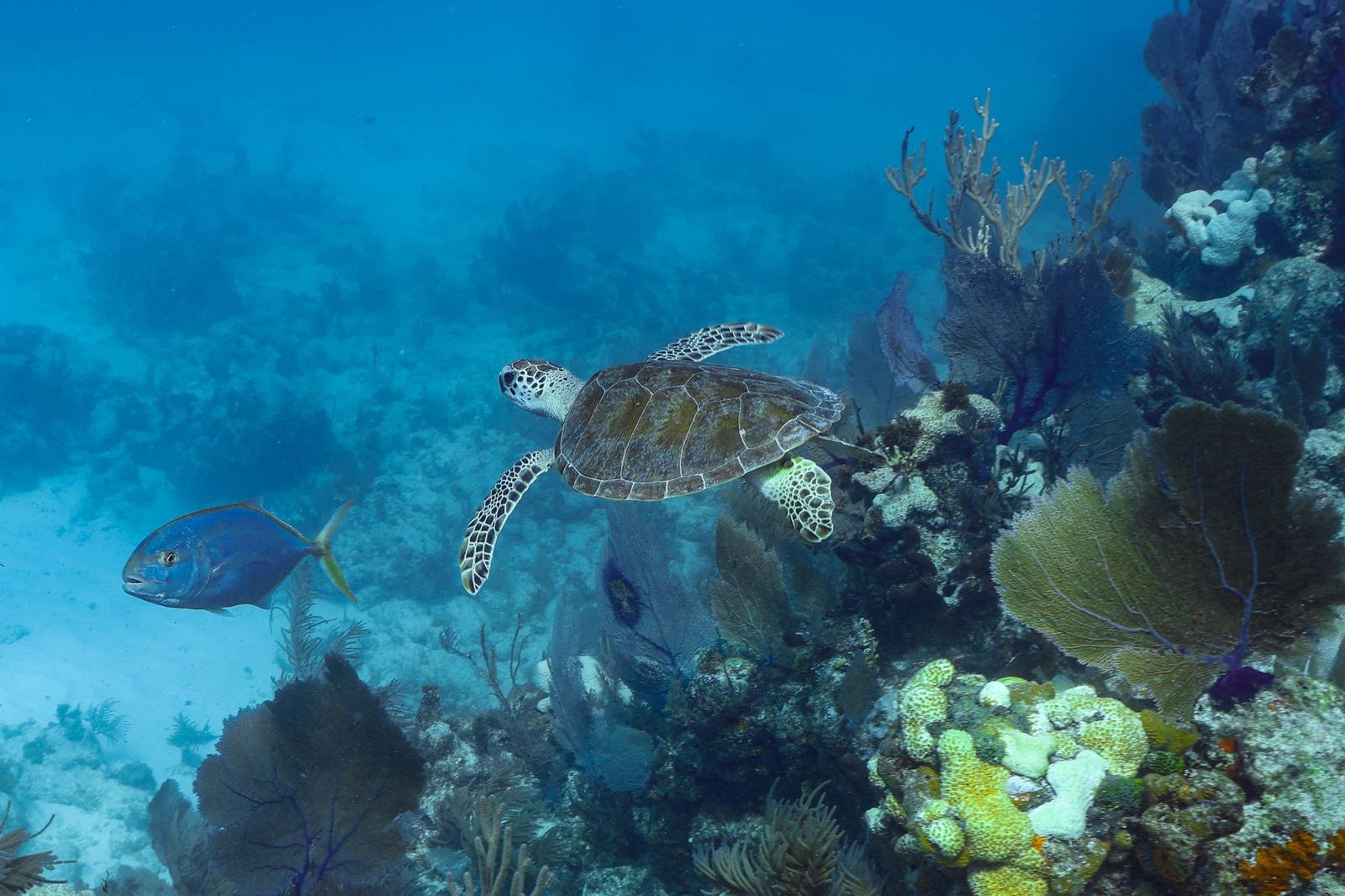
North Dry Rocks, often overshadowed by its neighbor Key Largo Dry Rocks, is a vibrant patch reef with depths of 10–25 feet, making it accessible yet rich in biodiversity. Its sprawling coral formations and clear waters offer excellent visibility, showcasing a kaleidoscope of marine life. The site’s proximity to other reefs makes it a frequent stop on multi-site snorkel tours, providing a balanced experience for those exploring John Pennekamp.
Best Things to See
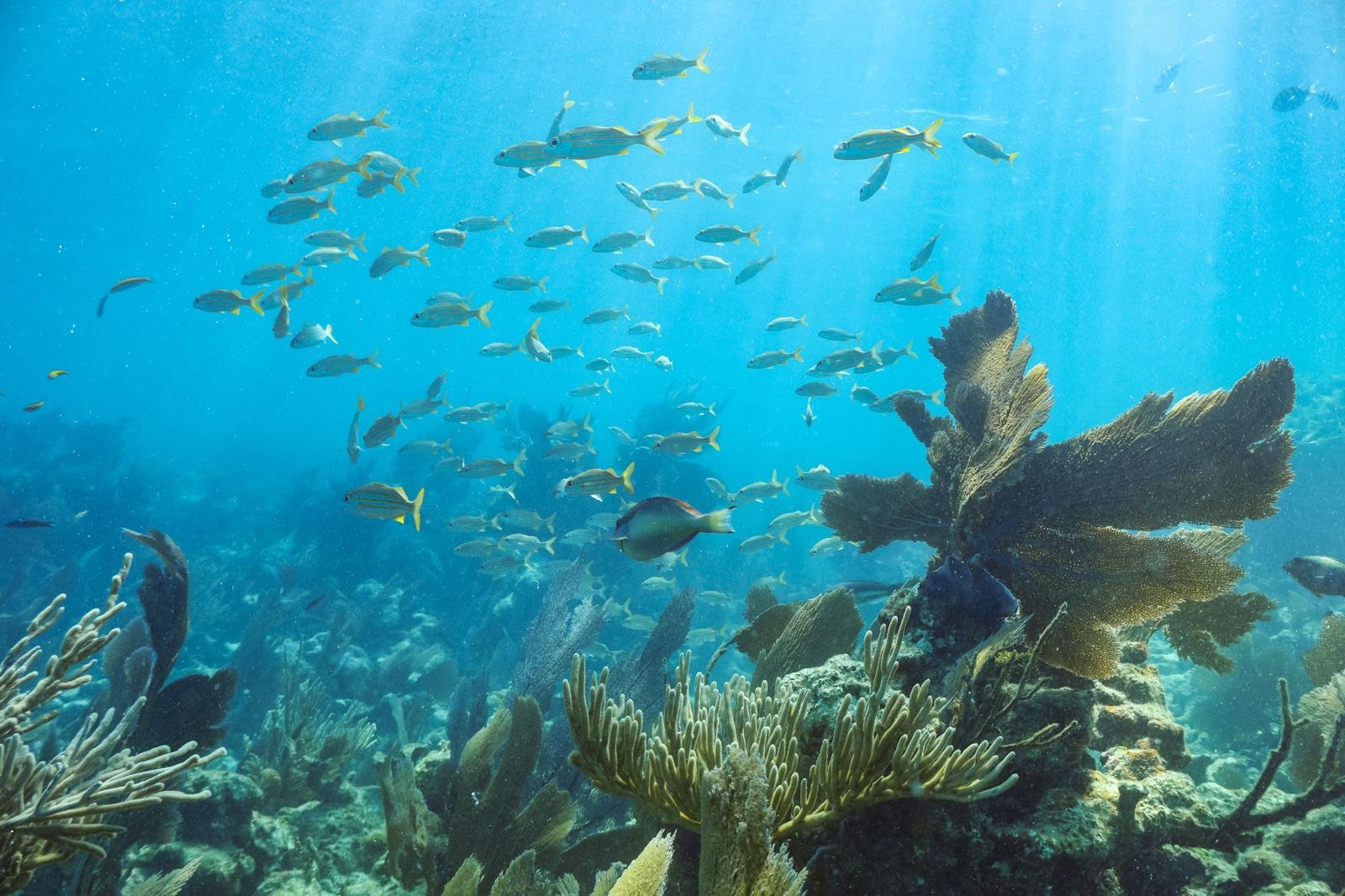
- Brain and Star Corals: Massive brain corals dominate the reef, their intricate patterns resembling underwater mazes. Star corals add texture and attract small fish like sergeant majors.
- Parrotfish and Angelfish: Brightly colored parrotfish munch on coral, creating a subtle crunching sound, while queen and French angelfish glide gracefully, adding elegance to the scene.
- Barracuda Encounters: Large barracudas often hover near the reef’s edges, their sleek forms a thrilling sight for snorkelers.
- Coral Restoration Sites: Nearby coral nurseries, part of the Coral Restoration Foundation’s efforts, may be visible, showcasing young staghorn corals and conservation in action.
What Makes It Unique
North Dry Rocks stands out for its dense coral coverage and vibrant fish populations, offering a classic Florida Keys reef experience. Its less crowded nature compared to Key Largo Dry Rocks allows for a more immersive snorkel, with ample space to explore the reef’s nooks and crannies. The site’s role in coral restoration efforts adds an educational element, appealing to eco-conscious snorkelers who want to support marine conservation.
Tips for Visiting
- Look for Weston, Preston’s western cousin, who calls North Dry Rocks home. He’s just as friendly but about half the size.
- Ask your crew about nearby coral restoration efforts to learn about the park’s conservation initiatives.
- Swim slowly to spot shy species like moray eels, slipper lobster, and maybe even a nurse shark hiding in coral crevices
5. Banana Patch: A Secluded Gem for Adventurous Snorkelers
Why It’s Special
Banana Patch is a lesser-known snorkeling site in John Pennekamp, offering a secluded escape for those willing to venture off the main tourist trail. With depths of 15–25 feet, this patch reef is characterized by its scattered coral heads and sandy patches, creating a patchwork of habitats that support diverse marine life. Its quieter setting and unique layout make it a favorite for snorkelers seeking a more intimate connection with the underwater world.
Best Things to See
- Patch Reef Ecosystems: The reef’s scattered coral heads, including boulder and brain corals, create mini-habitats teeming with life. Look for small schools of grunts and snapper weaving between the corals.
- Lobsters and Crabs: Spiny lobsters and arrow crabs are common, often peeking out from under coral ledges or scuttling across sandy patches.
- Sea Turtles: Green turtles are frequent visitors, grazing on seagrass or resting near coral heads, offering magical encounters for patient snorkelers.
- Colorful Sponges: Brightly colored tube sponges and vase sponges dot the reef, adding pops of red and yellow to the underwater palette.
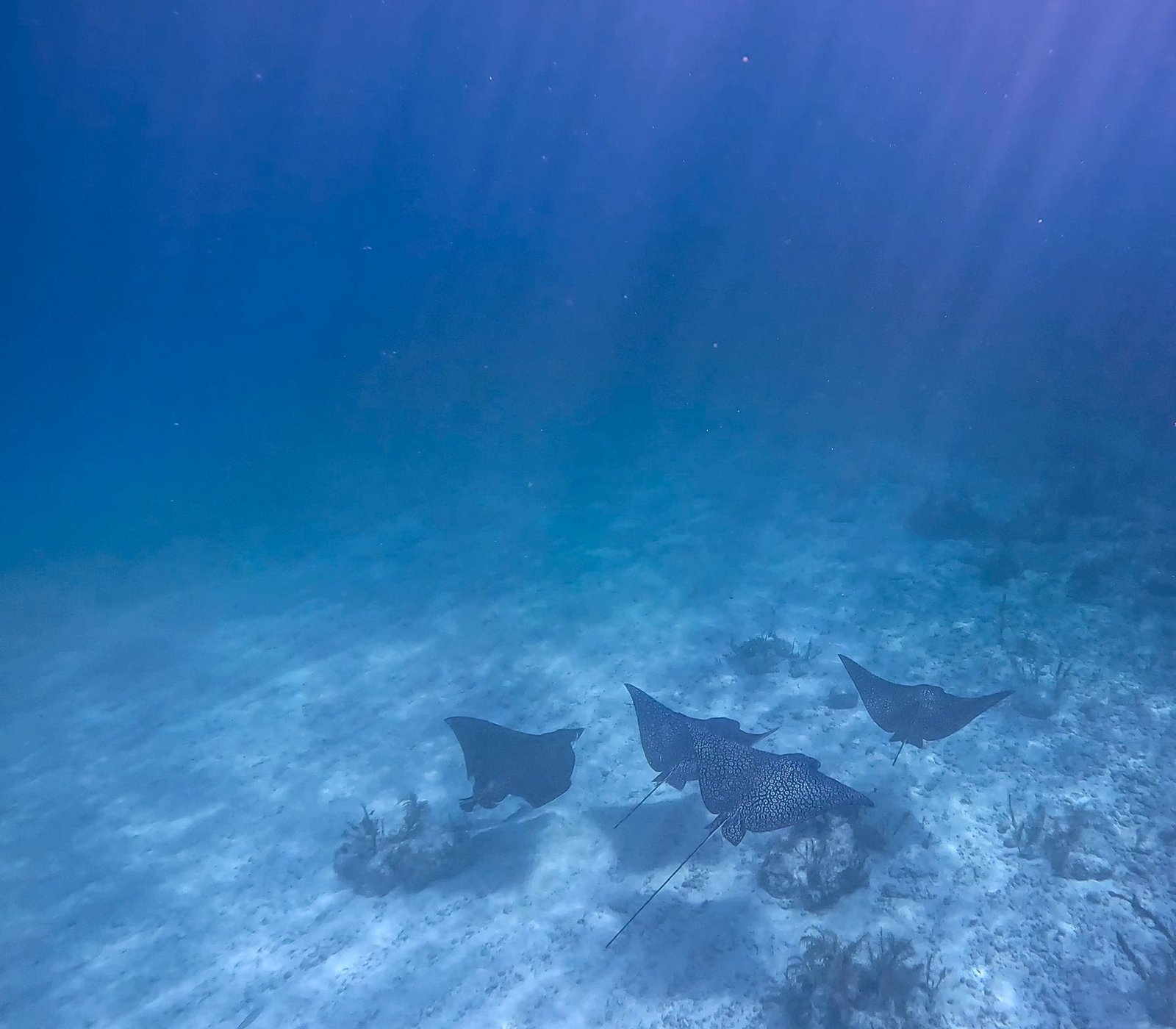
- Rays: Banana proximity to deeper water makes this the highway for groups of rays or “fevers” to come from deep water to the shallows for a quick lunch. The record is 67, but after the first 20, you’re just bragging.
What Makes It Unique
Banana Patch’s charm lies in its seclusion and patchwork layout, which feels like discovering a hidden underwater garden. The site’s deeper location and lower traffic make it ideal for snorkelers who prefer a tranquil experience away from the crowds. Its diverse micro-habitats support a surprising variety of marine life, rewarding those who take the time to explore slowly and attentively.
Tips for Visiting
- Book with an operator like Silent World Dive Center, whose USCG master Captains can safely access less-visited sites like Banana Patch when the conditions are perfect.
- Visit in the afternoon when sunlight highlights the reef’s colors and marine life is more active.
- The moorings here were first installed in 1965 for the crew of the James Bond 007 movie Thunderball, in which its underwater fight scenes were filmed here. A keen snorkeler can find the underwater “stages” that held lights, cameras, and equipment during filming, now completely encrusted in coral

Why John Pennekamp is a Snorkeling Must-Visit
John Pennekamp Coral Reef State Park is more than just a collection of reefs; it’s a living testament to the beauty and fragility of Florida’s coral ecosystems. Each of these five snorkeling sites, Key Largo Dry Rocks, Grecian Rocks, Horseshoe Reef, North Dry Rocks, and Banana Patch, offers a unique window into this underwater world, from the iconic Christ of the Abyss to the secluded charm of Banana Patch. Whether you’re a first-time snorkeler or a seasoned adventurer, these sites deliver unforgettable experiences filled with vibrant corals, colorful fish, and the chance to connect with marine conservation efforts.
Choosing the Right Tour Operator
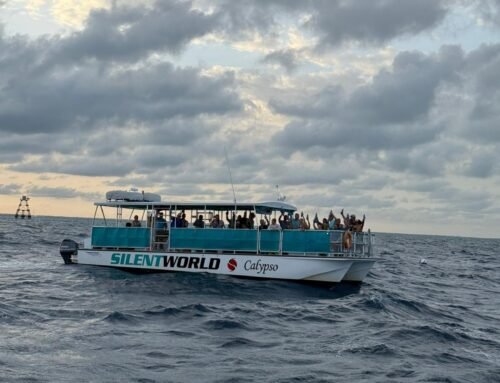
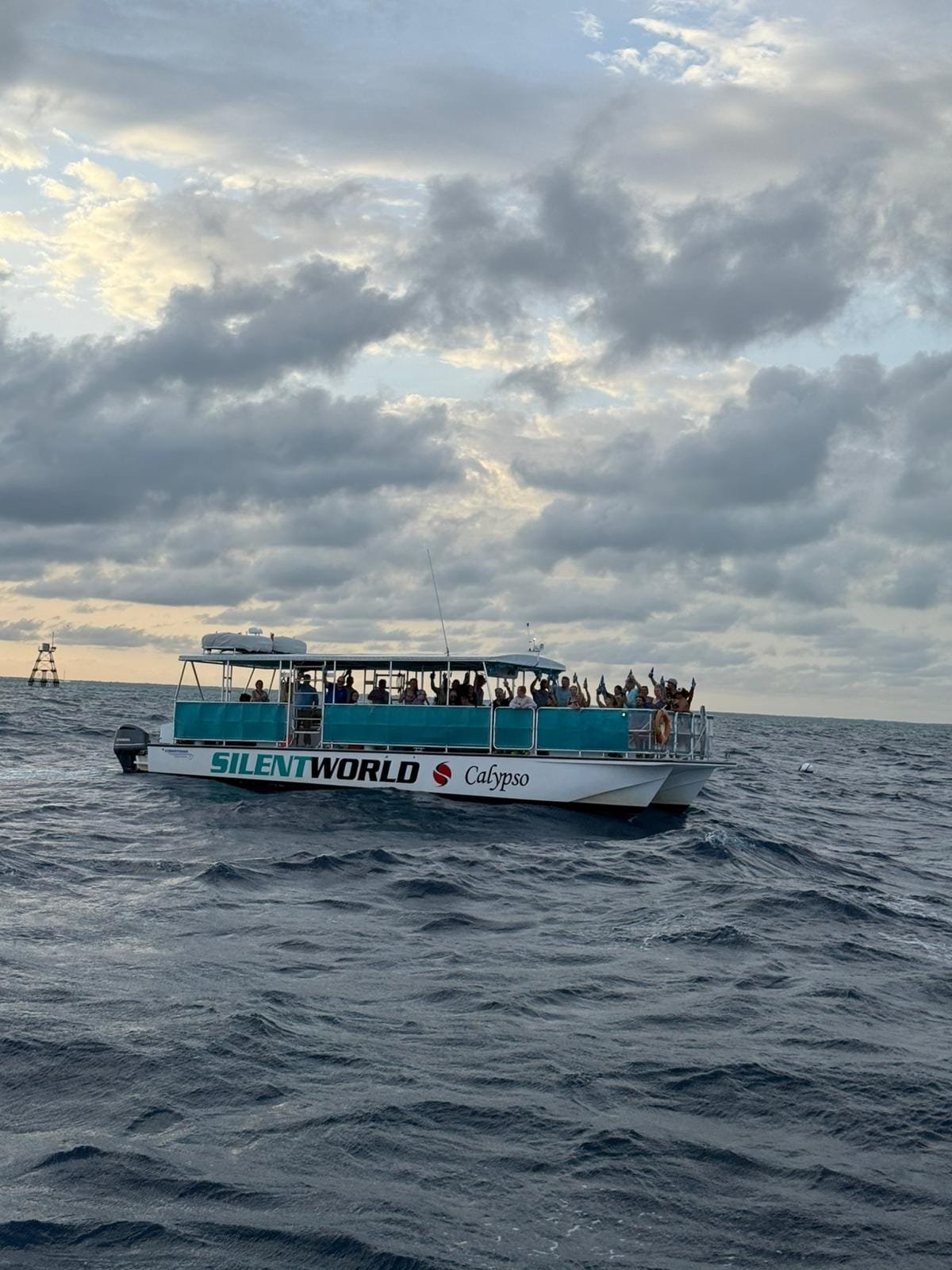
To make the most of your snorkeling adventure, consider booking with a reputable operator like Silent World Dive Center, known for its premier tours and eco-friendly practices. Their fleet, including the spacious Snorkeler Only Calypso catamaran, the Siren catamaran, and the intimate Phoenix dive boat, ensures a comfortable and personalized experience. All of Silent World’s tours visit two unique reef sites in a single trip, allowing you to compare the unique features of each reef.
Conservation and Responsible Snorkeling
As you explore these sites, remember that John Pennekamp’s reefs are part of a delicate ecosystem. Use reef-safe sunscreen, avoid touching corals, and support operators involved in conservation efforts, such as those partnering with the Coral Restoration Foundation. By snorkeling responsibly, you help preserve these underwater treasures for future generations.
Final Thoughts
Key Largo’s John Pennekamp Coral Reef State Park is a snorkeling destination like no other, with each of its top five sites offering something special. From the awe-inspiring Christ of the Abyss at Key Largo Dry Rocks to the tranquil patchwork of Banana Patch, these reefs showcase the diversity and beauty of the Florida Keys. Plan your visit, grab your mask and fins, and dive into an underwater adventure that will leave you with memories to last a lifetime.
For more snorkeling tips or to book a tour with Silent World Dive Center, visit www.silentworld.com or call 3054513252.
Happy snorkeling!