The Benwood Wreck
Snorkel a Real World War II Shipwreck in Key Largo
It went down in 1942. It hasn’t stopped surprising people since.
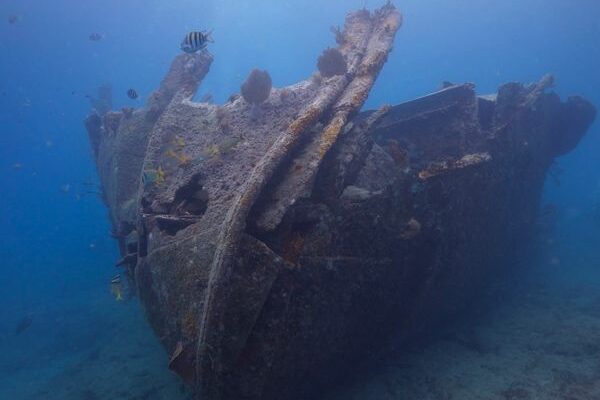
On the night of April 9, 1942, the SS Benwood was navigating completely blacked out. German U-boats were prowling the Florida coast and every light on the ship had been extinguished. In the darkness, she collided with the SS Robert C. Tuttle — another ship, also running dark, also trying to survive the same night. The Benwood never made it to port. She now rests on the bottom of the Atlantic Ocean, 6 miles off Key Largo, in 25 to 45 feet of water. Eighty years later, she is one of the most visited and most photogenic snorkel sites in the Florida Keys National Marine Sanctuary. And she is one of the most fish-filled sites on the entire reef system.
What You’re Actually Snorkeling
The SS Benwood was a 360-foot merchant marine freighter built in 1910 in Sunderland, England. After the collision in 1942, she was deliberately destroyed — salvaged for materials, then used as bombing practice by the Army Air Corps. By the time she was finished being blown apart, her bow sat in 45 feet of water and her stern in 25 feet.
What remained became something extraordinary.
Over 80 years on the bottom, the Benwood has been completely colonized by coral, sponges, and sea fans. Her steel ribs and hull sections are no longer just wreckage — they’re reef structure. Every surface hosts something alive. Every crevice shelters something hiding.
The wreck sits between French Reef and Dixie Shoals within the Florida Keys National Marine Sanctuary. It is protected, preserved, and utterly unlike anything else you’ll snorkel in the Keys.
Locals call it “THE TURTLE HOTEL”
Snorkelers who visit the Benwood at the right time encounter something that stops them cold.
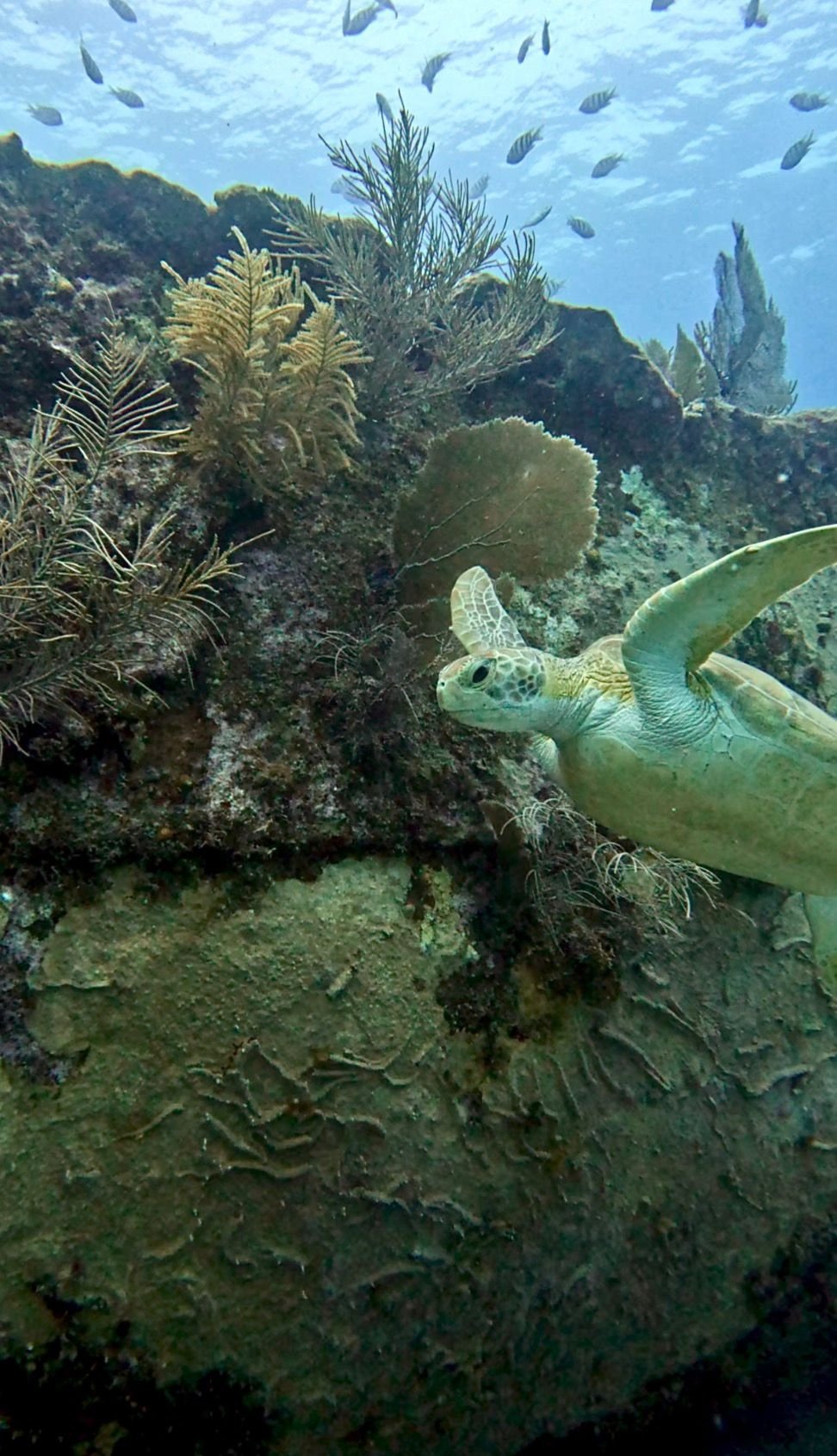
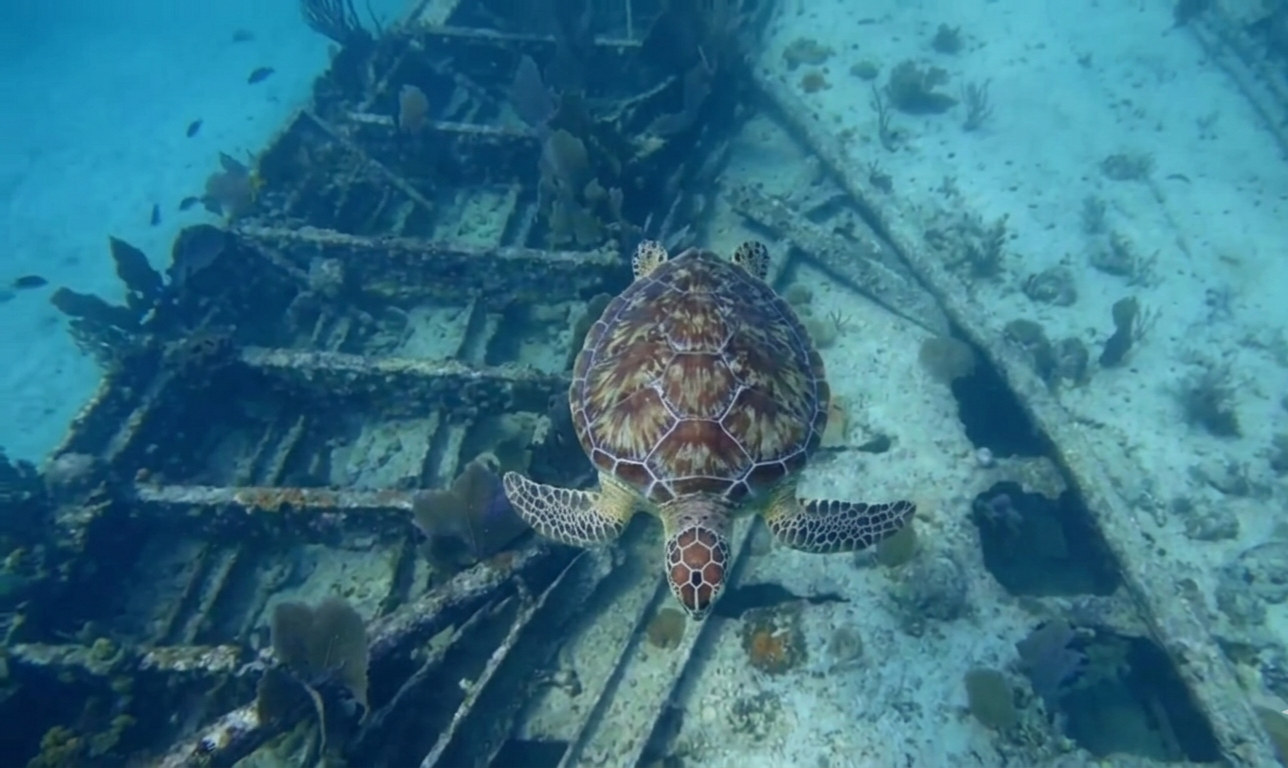
Sea turtles rest on the wreck. Not one or two — sometimes dozens. Green turtles and loggerheads settle on the deck, in the hull sections, on the coral-covered ribs of the ship. They tuck in and sleep. They surface for air directly next to the boat and return to the same spot.
Local divers have called the Benwood the Turtle Hotel for years. The name stuck because it’s accurate.
There are no guarantees with wildlife. But if you want the best chance of a close turtle encounter in Key Largo — the Benwood is where you go.
The Benwood is covered bow to stern in schools of fish. Floating still in the water above the wreck and they surround you within minutes.
Yellowtail snapper in flashing schools. Grunt and goatfish moving in formation along the hull. Parrotfish grazing on coral formations that have grown directly from the steel. Moray eels in every crevice, heads out, watching. Lobster tucked under sections of hull. Nurse sharks resting in the sandy channels around the wreck perimeter.
The coral growth on the Benwood includes brain coral, star coral, elkhorn coral, sea fans, and sea whips — all thriving on the artificial reef structure the wreck has created. Visibility runs 25 to 50 feet on a good day.
This is not a stripped, empty hull. It is an 80-year-old artificial reef teeming with life at every depth.
The Benwood is one of the most snorkel-friendly wreck sites in the Florida Keys. The shallowest sections of the stern sit in just 25 feet of water — clearly visible from the surface on any day with decent visibility.
You float above the wreck, looking down through clear water at steel ribs and coral formations and fish moving in and out of the structure. On a good visibility day you can see 50+ feet down and trace the outline of the hull.
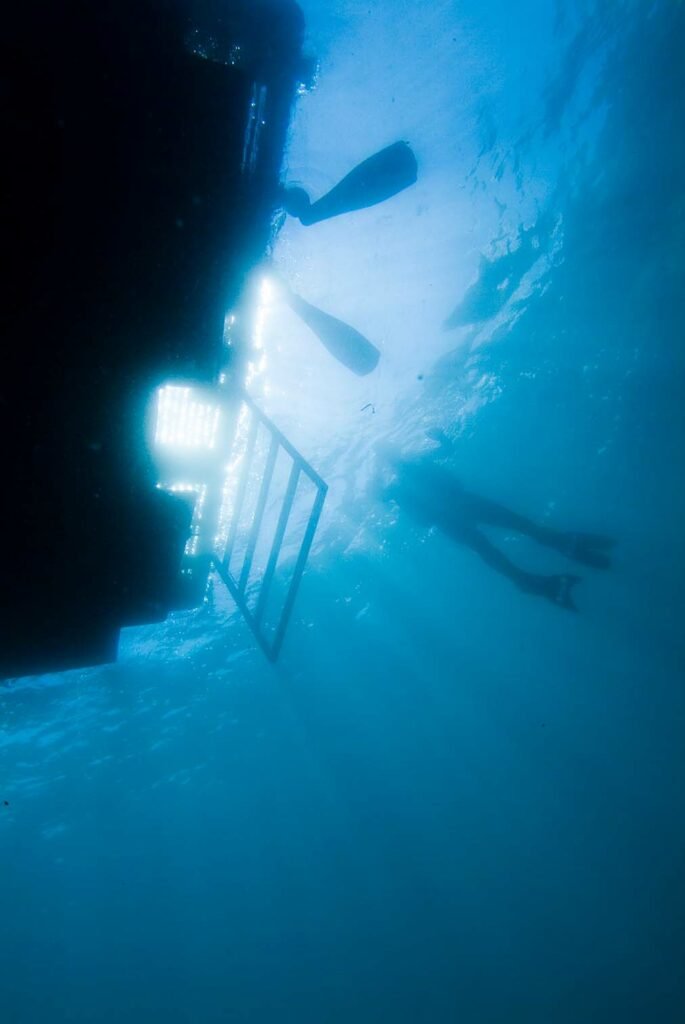
No diving required. No certification needed. You are at the surface the entire time.
The fish density at the Benwood is exceptional even by Keys standards. Guests consistently describe it as the site where they got the most sustained and up-close wildlife encounters of their trip.
Depth at stern: 25 feet
Depth at bow: 45 feet
Visibility: 25 to 50 feet typical
Snorkel difficulty: Beginner-friendly
Currents: Mild to moderate
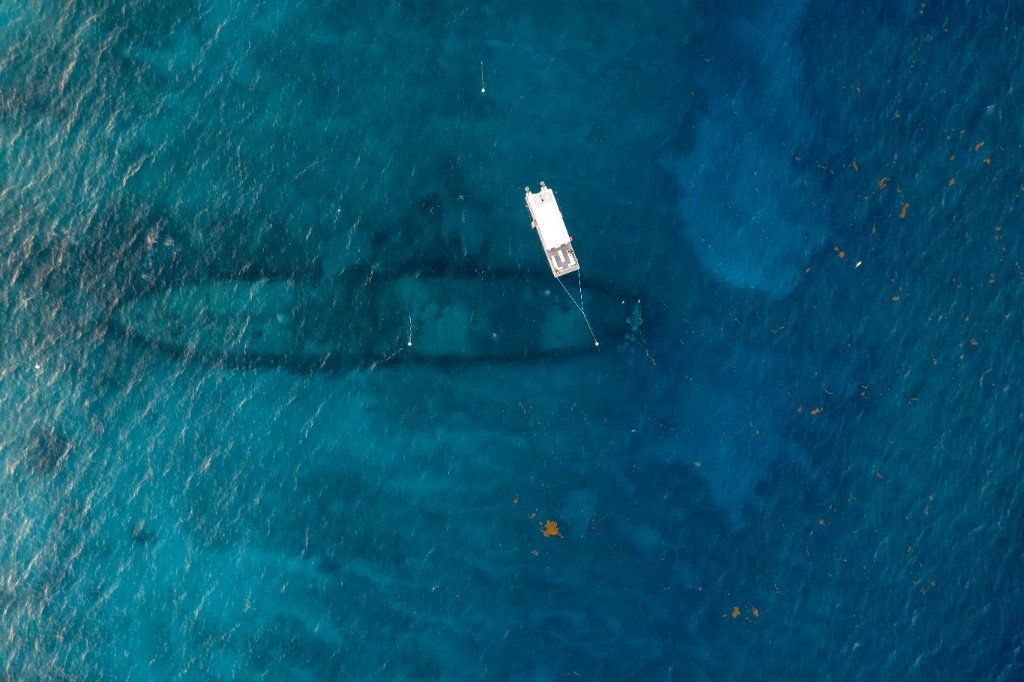
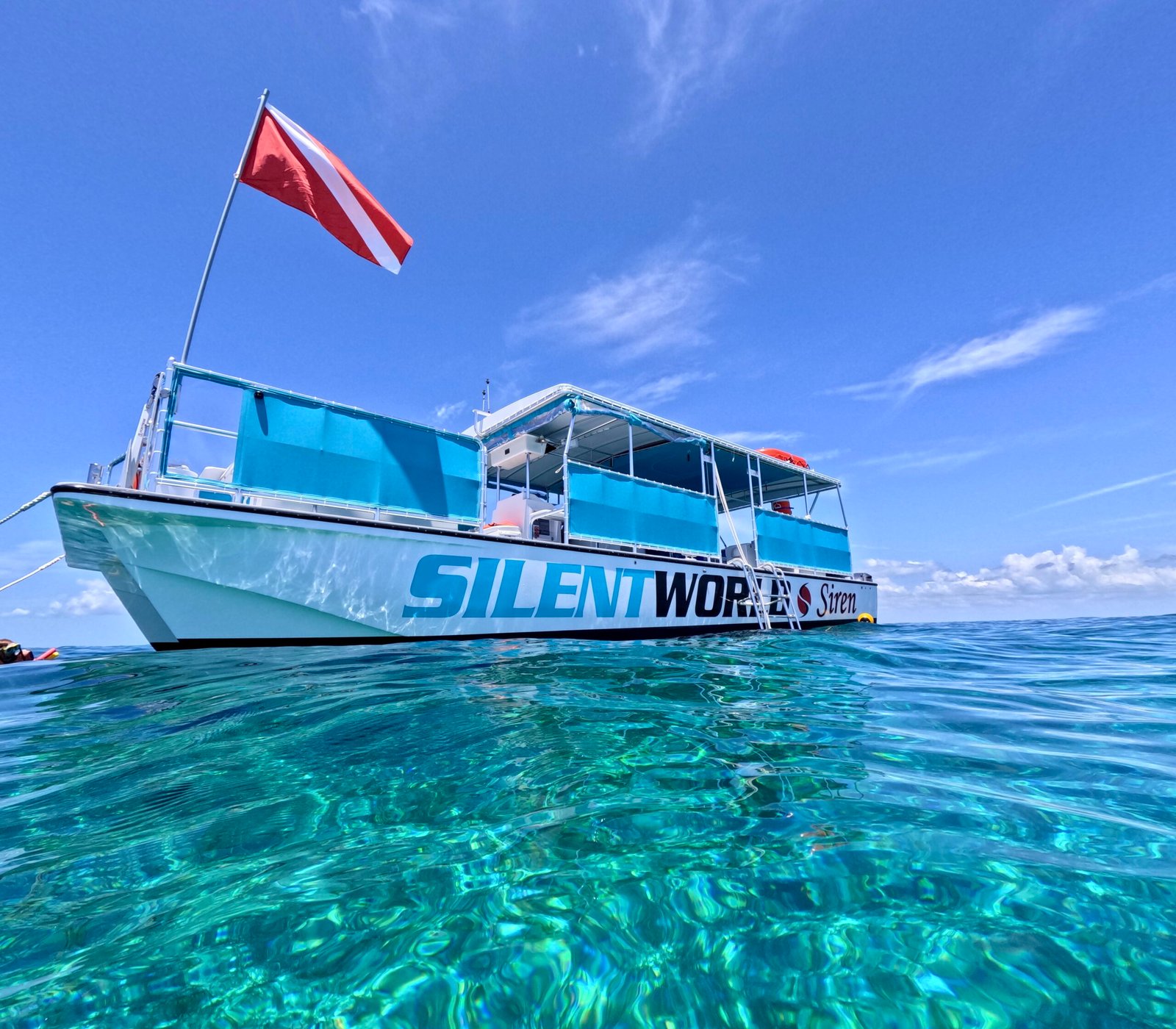
The Benwood is popular. When multiple boats are tied to the same mooring buoys simultaneously, the fish scatter and the turtles disappear. We run snorkel-only boats and cap our capacity below the maximum. Fewer people in the water means the marine life behaves naturally — including the turtles. Our Snorkeling Legends tour visits the Benwood as one of three sites, which means we schedule our time there strategically. Our crew knows the wreck well and will brief you on exactly where to look and what to expect before you get in.
4,500+ five-star reviews. Key Largo’s most trusted snorkel fleet.
Which Trip Visits The Benwood?
The Snorkeling Legends Tour — $109
Three sites, 4.5 hours. The Benwood Wreck, the Christ of the Abyss, and Molasses Reef. Two full hours in the water across three of the most iconic sites in the Florida Keys National Marine Sanctuary. This is our crew’s favorite trip on the water.
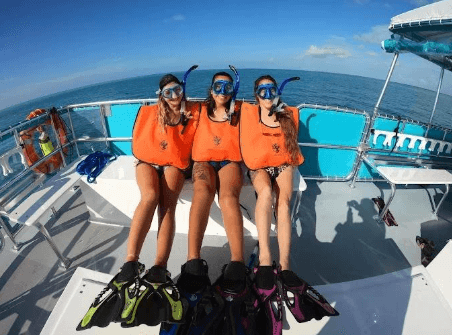
Your group, your boat, your sites. Want the Benwood plus French Reef plus the Christ — all in one day? We can build that on a private charter. Groups of 8 or more often find private charter pricing surprisingly comparable to individual tickets. Contact us to check availability.
The wreck is snorkeable year-round. Winter and spring bring the best visibility. Turtle activity is consistent throughout the year with no strong seasonal peak — they live on the wreck permanently.
Approximately 6 miles from Key Largo, near French Reef. Boat ride time is roughly 25 to 35 minutes.
No guarantees — it’s the ocean. But the Benwood is consistently one of the best turtle encounter sites in Key Largo. Guests who are patient above the wreck get the best sightings.
Yes. The Benwood sits within the Florida Keys National Marine Sanctuary. No fishing, no collecting, no touching the wreck or coral. All rules are covered in our pre-trip briefing.
Yes. The Benwood is beginner-friendly from the surface. You need to be comfortable floating in open water — that’s the only requirement. Our crew provides a full briefing before you get in.
The stern sits in 25 feet of water, the bow in 45 feet. As a snorkeler you stay at the surface — the depth below you doesn’t affect your experience. The shallower stern sections are clearly visible from the surface on a good visibility day.