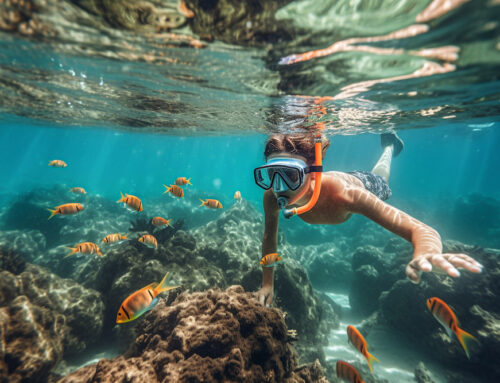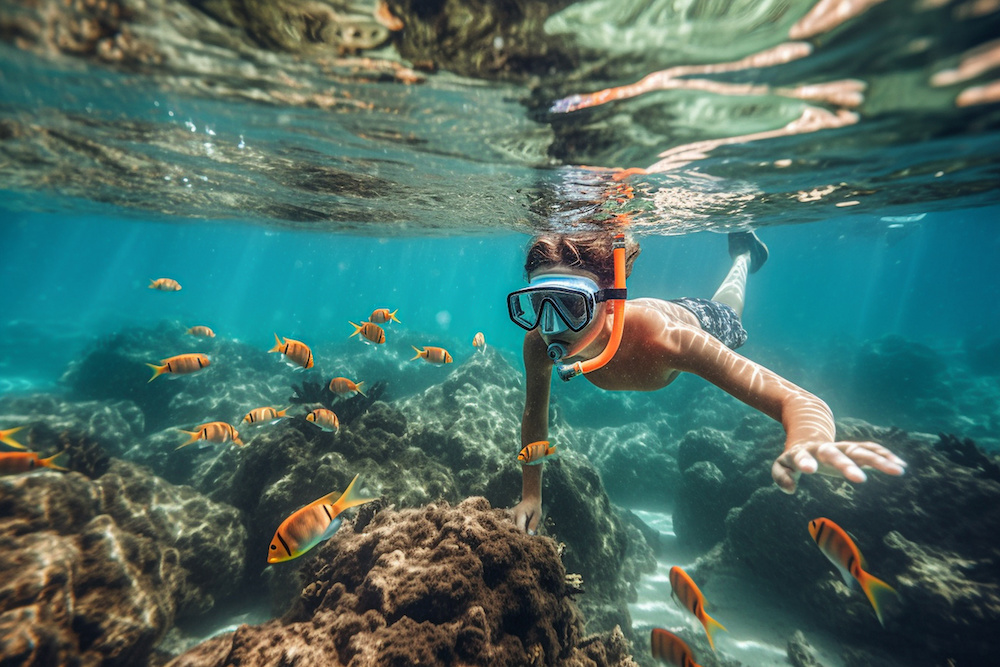
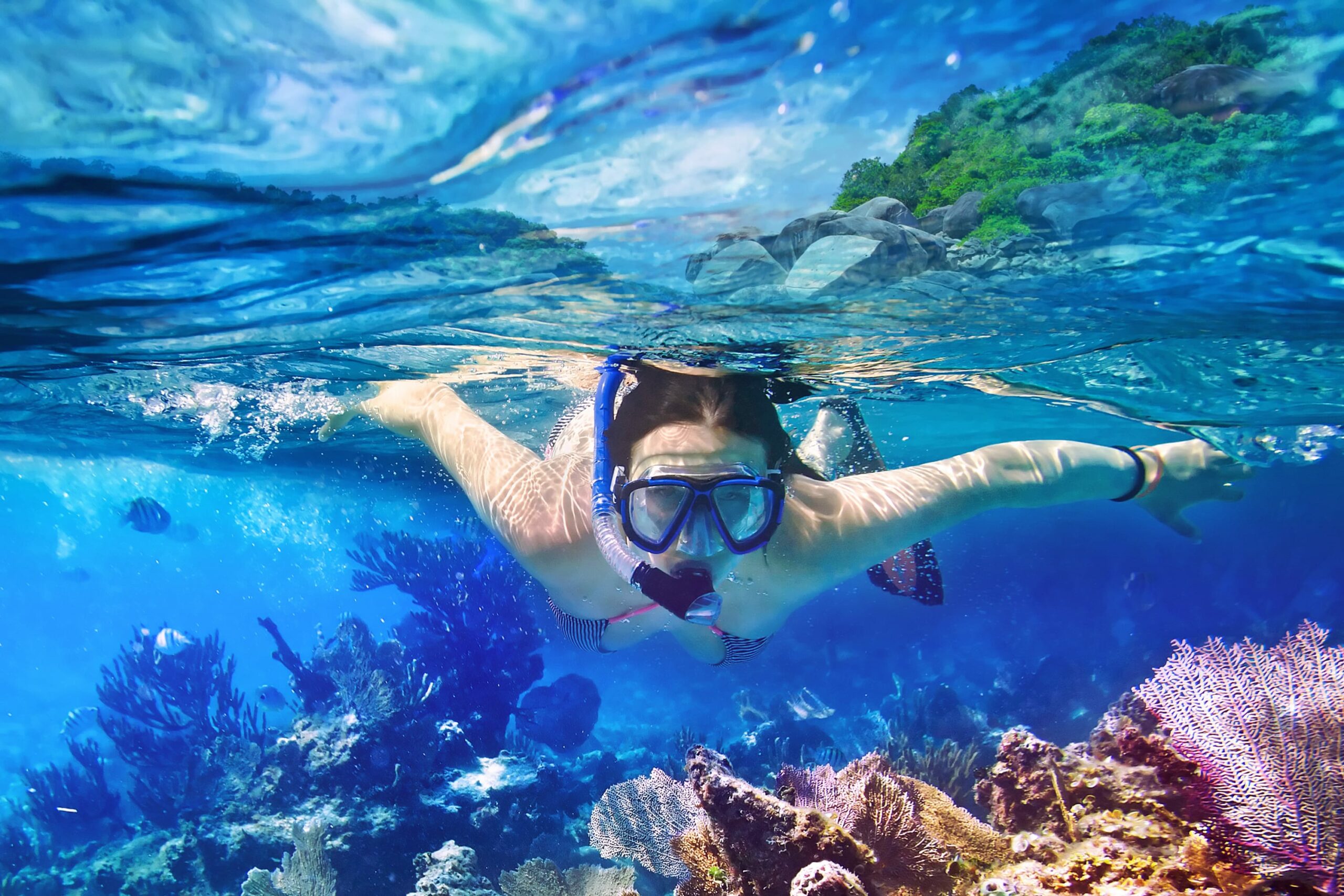
Snorkeling means floating face-down at the water’s surface and breathing through a tube called a snorkel while you watch what’s below – no certification required, no scuba tank, and no experience needed. You can learn the basics in about 10 minutes.
What equipment do you need to snorkel?
You need three things: a mask, a snorkel, and fins. That’s the whole list.
The mask seals around your face so you can see underwater without water flooding in. The snorkel is the J-shaped tube that lets you breathe with your face submerged. Fins give your legs traction in the water so you can move without wearing yourself out.
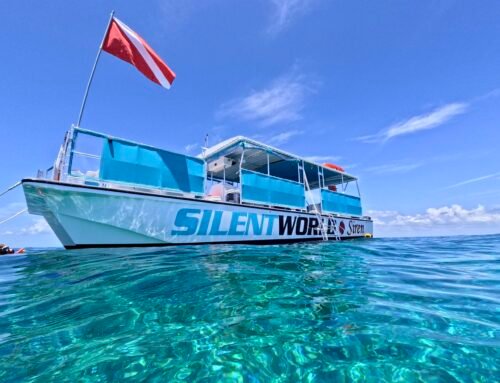
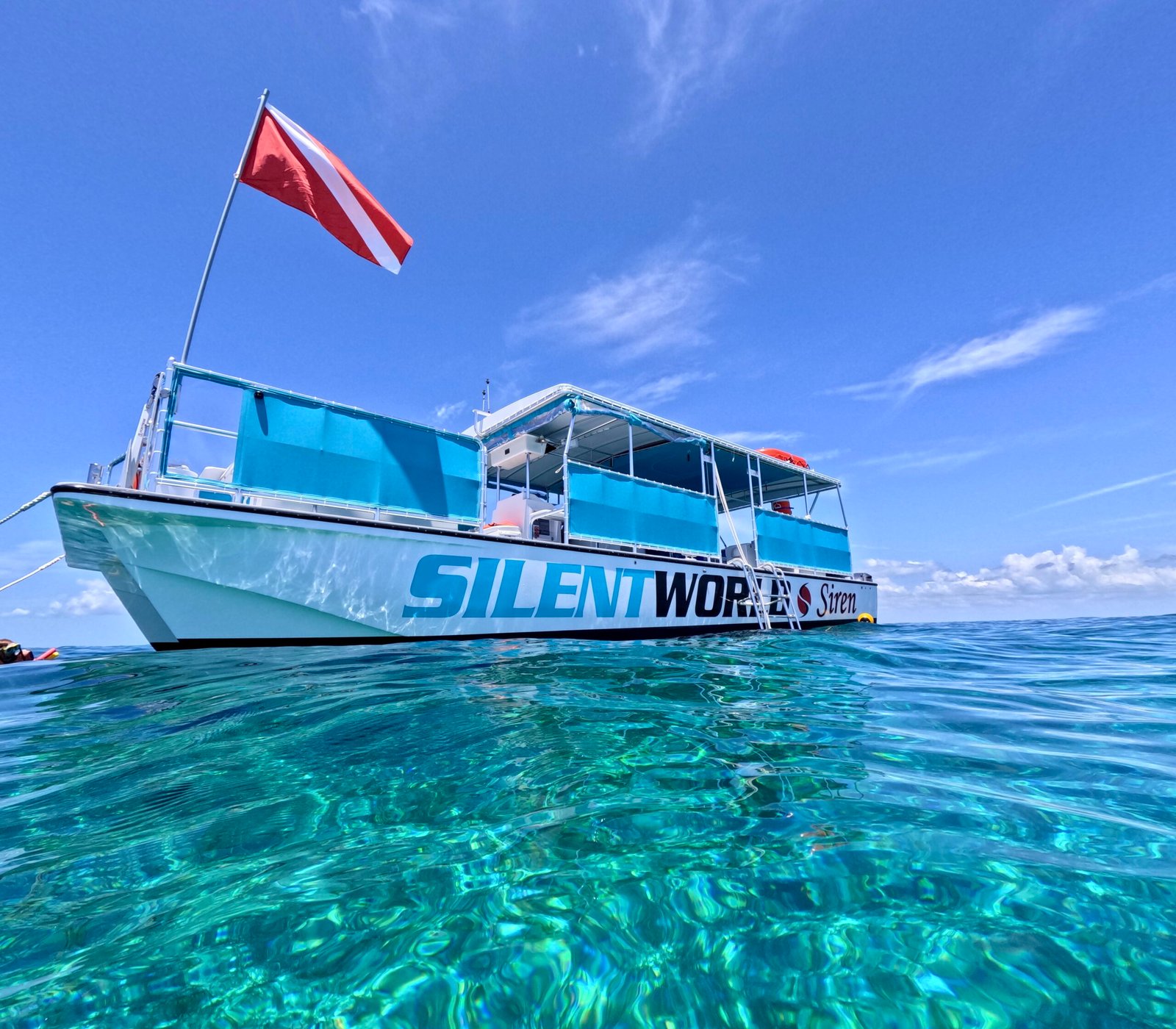
A few things worth noting on fit: a mask that doesn’t seal properly is the single biggest frustration for new snorkelers. To test it, press it against your face without the strap and inhale through your nose – if it stays put, it fits. If it falls off, try a different one. When you snorkel with Silent World in Key Largo, all gear is included and staff will make sure your mask fits before you hit the water.
Optional gear that makes a real difference: a wetsuit or rash guard (reef UV is serious), reef-safe sunscreen, and water shoes if you’re walking over rocks or a dock.
How do you breathe through a snorkel?
You breathe through your mouth only, slowly and deliberately. The snorkel sits in the corner of your mouth with a soft mouthpiece you bite down on gently. Keep your face down, your body relaxed, and just breathe normally.
The one thing that throws new snorkelers off is water getting into the snorkel – from waves, from dipping too deep, or from turning your head. Modern snorkels have dry-top valves that block most of it. When water does get in, you clear it with one sharp exhale, like you’re blowing out birthday candles. It’s not complicated once you’ve done it once.
How deep do you snorkel?
Snorkeling is a surface activity – you stay at the waterline and look down. Most snorkelers hover between 0 and 3 feet below the surface. Some snorkelers duck-dive to get closer to something interesting, which might take you down 5 to 10 feet briefly, but you hold your breath to do that.
If you want to go deeper than that and breathe underwater, that’s scuba diving, which requires certification. Key Largo’s reefs sit between 15 and 30 feet in most popular spots – you’ll have an unobstructed view of all of it from the surface on a clear day.
Is snorkeling safe for beginners?
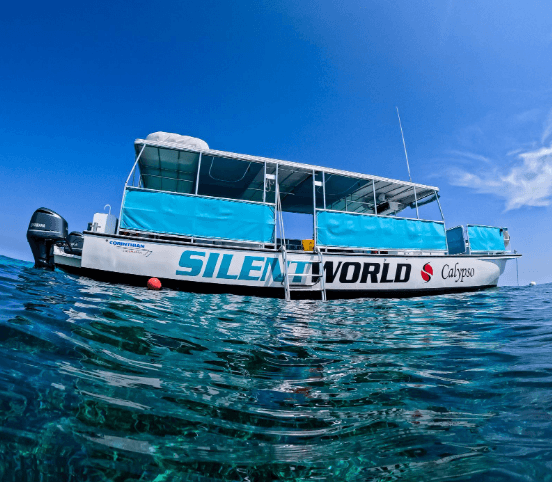
Yes. Snorkeling is one of the most accessible water activities there is. You don’t need to be a strong swimmer, and you don’t need to go underwater at all. Most snorkel tours provide flotation vests for anyone who wants one – Silent World’s guides hand them out without any hesitation, and the boats run well under max capacity so there’s always space and attention for newer guests.
A few things that keep you safe: don’t go alone, stay close to the boat or guide, be aware of current direction, and don’t touch the reef or wildlife. Coral is alive and sharp.
How long does it take to learn to snorkel?
Realistically, 10 to 20 minutes for the basics – getting comfortable with the mask, breathing through the snorkel, and moving with fins. Most first-timers are fully relaxed in the water within the first 30 minutes of a tour.
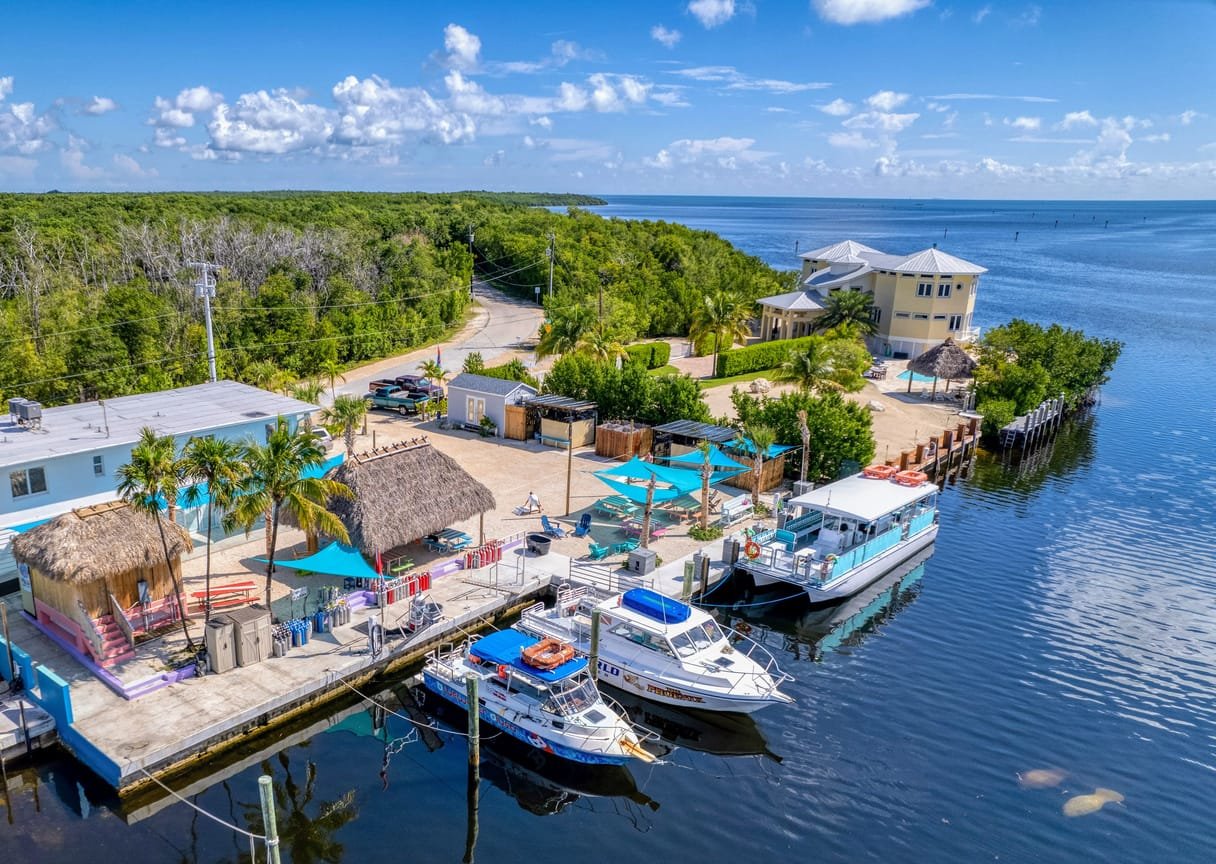
There’s no formal training required. If you want personalized instruction before your trip to Key Largo, Silent World’s guides run you through everything dockside before the boat leaves.
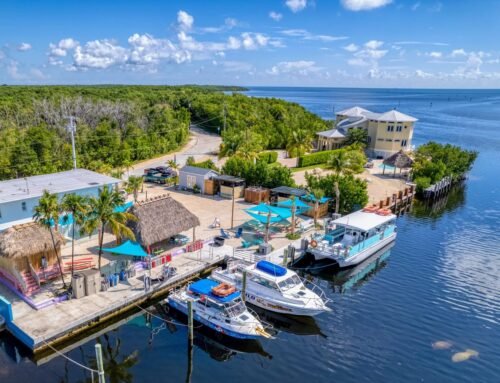
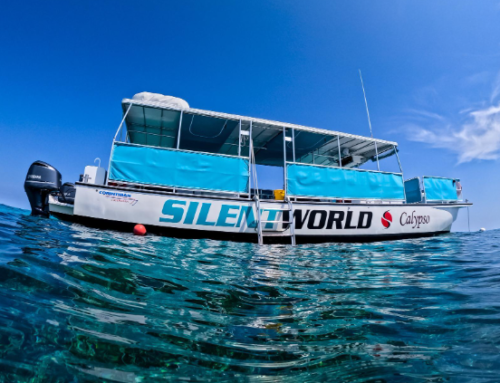
Ready to try it? Silent World runs daily snorkeling tours out of Key Largo to John Pennekamp, Carysfort Reef, and Christ of the Abyss. Small boats, expert guides, and gear included.
Essential FAQs for First-Time Snorkelers
You don’t need to be a strong swimmer, but basic comfort in the water helps. Life vests are available on every Silent World tour, and you don’t have to go anywhere near deep water to have a great experience.
Yes. Most tour operators, including Silent World, accommodate kids 5 and up with child-sized gear. Younger children can snorkel with a parent holding them at the surface.
Snorkeling keeps you at the surface – you breathe through a tube and look down. Scuba uses a tank so you can breathe underwater and actually descend to the reef. Scuba requires certification; snorkeling doesn’t.
Yes – you can get prescription masks made to your prescription, or wear daily contact lenses under a standard mask.
A swimsuit, reef-safe sunscreen, and a rash guard or lightweight wetsuit if you burn easily or the water’s cooler. Skip regular sunscreen – it damages coral reefs and is banned at many protected sites including John Pennekamp.
Key Largo sits inside the Florida Keys National Marine Sanctuary and offers some of the most accessible reef snorkeling in the continental US. Visibility on a good day hits 60+ feet. You’ll see parrotfish, angelfish, barracuda, sea turtles, and coral formations most people only see in documentaries.
Exhale sharply through your mouth – one strong puff pushes the water out the top of the tube. Most modern snorkels have purge valves at the bottom that drain leftover water automatically.
Silent World provides all snorkel gear – mask, snorkel, fins, and vest – as part of every tour booking.
Key Largo’s reefs are best experienced in person. Silent World has been running snorkel tours here since 1989 – 4,000+ five-star reviews and counting.
Related reading: Key Largo water temperature by month and John Pennekamp dive locations.