PADI is the most widely recognized dive certification in the world, with standardized courses in 183+ countries. NAUI is older, runs a more academically rigorous curriculum, and is particularly respected in technical and commercial diving circles – but far fewer dive centers worldwide are affiliated with it.
What’s the real difference between PADI and NAUI?
NAUI (National Association of Underwater Instructors) was founded in 1960 – PADI in 1966. NAUI got there first, but PADI scaled faster and now dominates recreational dive training globally.
The training philosophies differ more than the certifications themselves. PADI’s system is modular and standardized – every course follows a defined curriculum, which makes consistency easy to guarantee across thousands of instructors. NAUI gives instructors significantly more latitude, which the organization argues produces more adaptable, better-educated divers. Whether that’s true depends a lot on the instructor.
The practical result: NAUI-certified divers tend to have more time in the water before certification, and the knowledge component goes deeper. PADI-certified divers benefit from a global infrastructure of dive centers, equipment rental, and advanced courses.
Is PADI or NAUI more recognized worldwide?
PADI isn’t close. With over 6,600 member dive centers in 183 countries and more than 29 million certifications issued, PADI is the standard that most dive operators internationally expect to see. NAUI certifications are accepted by reputable dive operators worldwide, but a NAUI card will occasionally generate questions at smaller dive shops in remote locations where PADI is the only agency they’ve ever seen.
For recreational diving at popular destinations, neither card will hold you back. For remote diving in destinations with limited infrastructure, PADI’s brand recognition can simplify things.
Which certification is harder – PADI or NAUI?
NAUI is generally considered more rigorous at the entry level. NAUI Open Water courses typically require more classroom time, deeper engagement with dive physics and physiology, and more logged open water dives before certification. PADI’s course is more streamlined – which makes it faster to complete but doesn’t mean the skills taught are inferior, just delivered more efficiently.
Neither certification will fail to prepare you to dive safely. The difference shows up in knowledge depth, not competence.
Which costs less – PADI or NAUI?
Costs vary by location and dive center, but PADI courses often come with separately purchased learning materials that can add $50 to $100 to the total cost. NAUI’s pricing structure differs by affiliate. In practice, the difference in price between comparable courses at comparable dive centers is often minimal.
Can you dive with a NAUI cert at PADI dive shops?
Yes. Dive operators that accept divers (not just certify them) recognize certifications from all major agencies – PADI, NAUI, SSI, BSAC, and others. The card proves you’ve completed recognized open water training. You won’t be turned away from a dive boat because of your certifying agency.
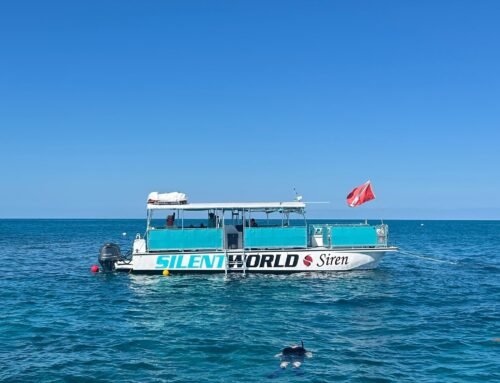
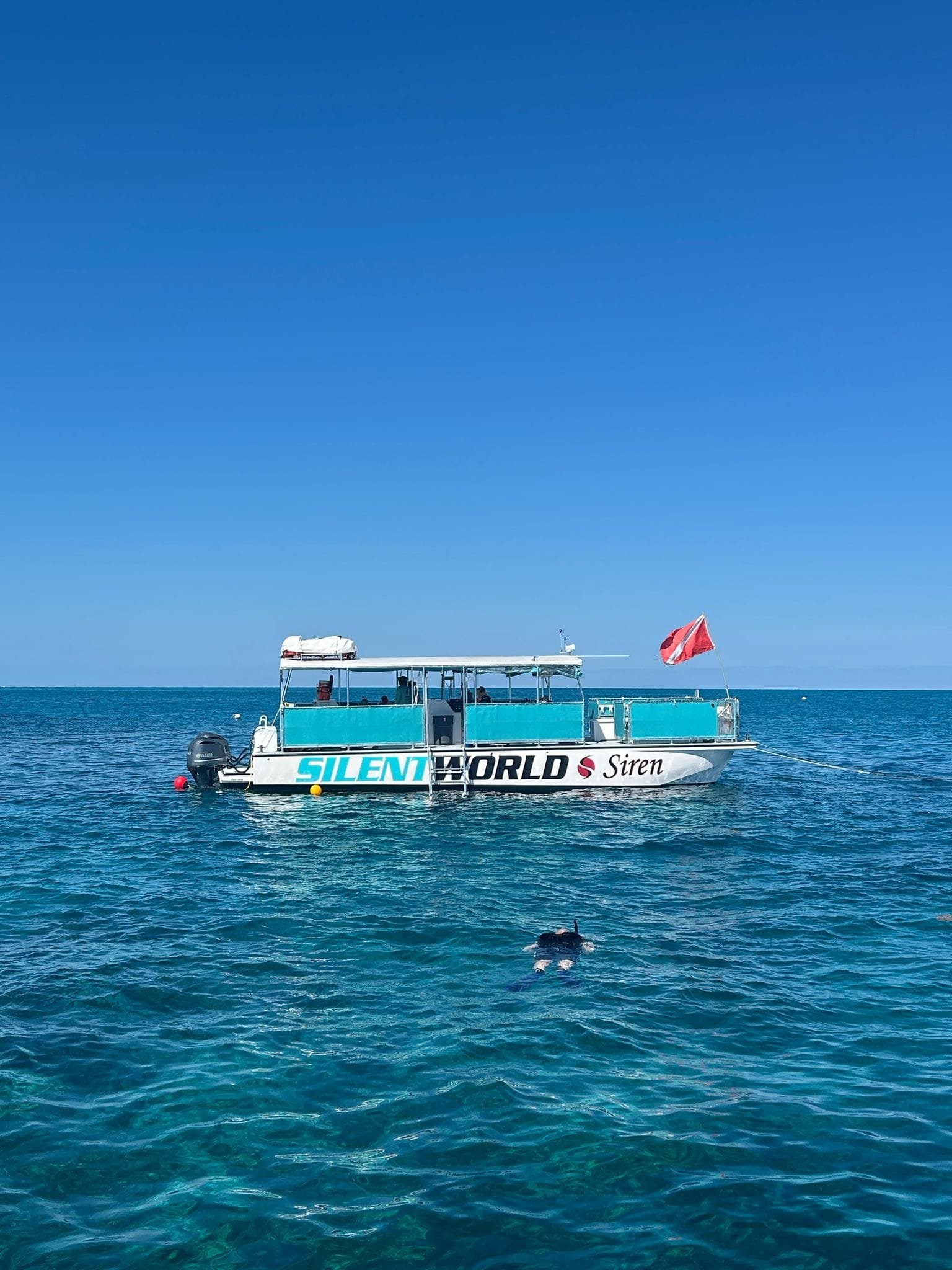
Silent World Dive Center in Key Largo is a PADI 5-Star IDC Center – the highest certification tier PADI offers. Classes run year-round.
Essential FAQs: PADI vs NAUI
Generally yes, at the entry level. NAUI typically requires more logged dives before certification and goes deeper on the academic side. Both prepare you to dive safely.
It is accepted at virtually all reputable dive operations worldwide, though PADI has a stronger brand footprint in remote or less-developed dive destinations.
Yes. PADI offers crossover courses for certified divers from other agencies.
PADI. The professional track – divemaster, instructor – is significantly larger under PADI, with more affiliated dive centers hiring PADI pros globally.
Typically 5 to 7 days, slightly longer than PADI’s Open Water course, due to additional classroom time and required logged dives.
Silent World Dive Center is a PADI 5-Star IDC Center and has been training divers in the Keys since 1989. Year-round classes, small groups.
Yes. Neither expires. If you go a long time without diving, most operators will recommend a skills refresher before you get back in the water.
Key Largo is one of the best places in the world to learn to dive – warm water, clear visibility, and reefs you can explore from day one.
Related reading: SSI vs PADI and Open Water certification in Key Largo.